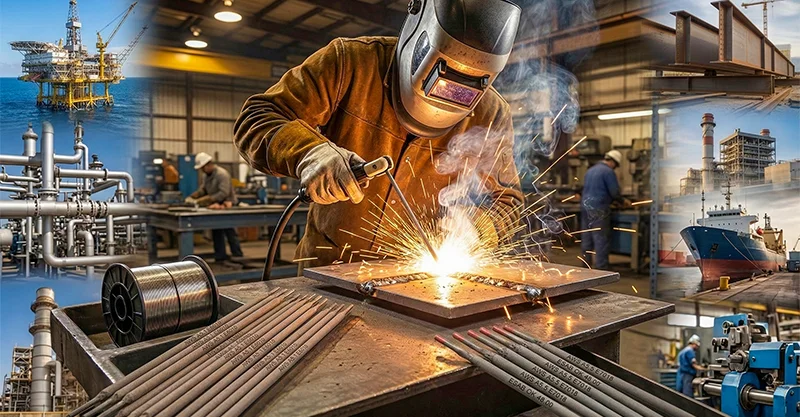
What is Welding Electrodes: A Complete Guide
Welding plays a critical role in manufacturing, infrastructure, fabrication, automotive, oil & gas, power plants, and heavy engineering projects. But at the heart of every strong weld lies one essential component – the welding electrode. If you’re searching for what is welding electrodes or want to learn more about welding electrodes, this complete guide will help you understand their function, types, applications, and selection process in a clear and practical way. Table of Contents What is Welding Electrodes? Why Welding Electrodes Are Important How Welding Electrodes Work Types of Welding Electrodes Consumable Electrodes Non-Consumable Electrodes Components of a Coated Welding Electrode Common Classifications of Welding Electrodes Applications of Welding Electrodes How to Choose the Right Welding Electrode Common Problems Caused by Wrong Electrode Selection Conclusion What is Welding Electrodes? A welding electrode is a metal wire or rod used to create an electric arc between the electrode and the base
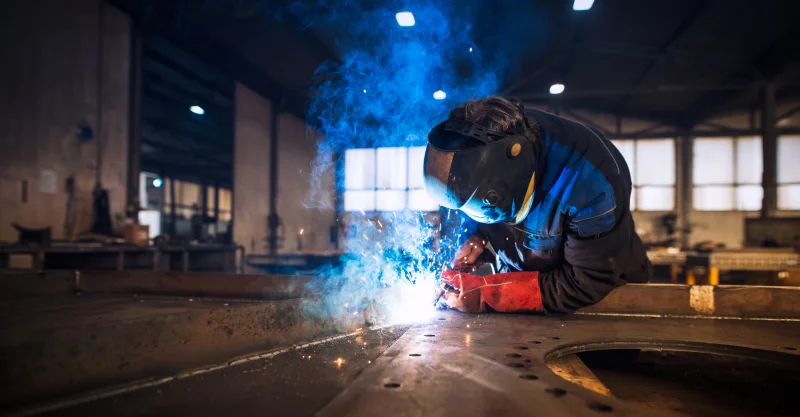
Everything Every Welder Should Know About Mig Welding
For decades, MIG has been the most prevalent welding method. It’s quick, strong, and versatile, and most people can pick it up quickly. There’s a continual stream of newcomers eager to learn because it’s such a terrific process. In this article, we will cover everything every welder should know about MIG Welding. What Is MIG Welding? Metal Inert Gas (MIG) welding is a type of inert gas welding. It’s a method of melting and joining metals that uses a disposable metal wire electrode to create an electric arc. The MIG wire is passed constantly through the welding gun’s handle and melted into the weld pool. This melted wire and base material pool then solidifies as a solid junction. While most people refer to the procedure as “MIG welding,” it is also known as “Gas Metal Arc Welding,” or “GMAW” for short. What Is MIG Welding Used For? MIG welding is
Why Is The Aluminium Welding Wire The Chosen One?
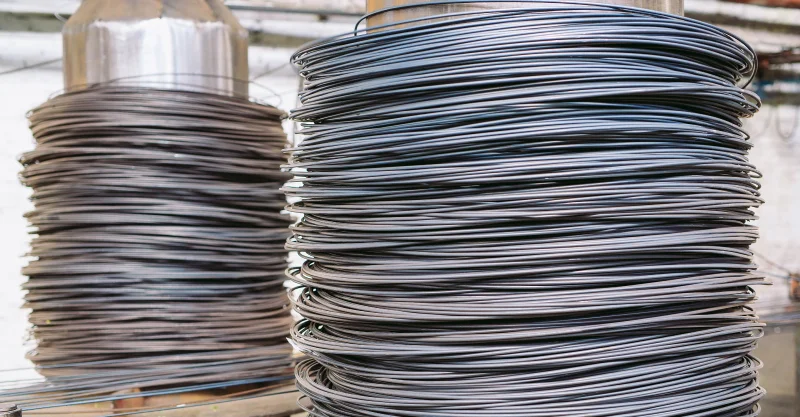
You have probably noticed that companies and welders prefer aluminium welding wires to other metals. Doesn’t it make you question why? Why does Aluminium, out of all the metals available to weld wires, become the preferred option? Why is aluminium the metal of choice for welding out of all the metals? Aluminium is used in a variety of applications be it Aluminium TIG wire, Aluminium MIG wire, or filler wires. Let us understand why. Aluminum is a widely utilised metal for a variety of commercial purposes. Aluminium and its byproducts are used in aircraft, spacecraft, trains, ships, cars, electronic appliances, window frames, and a variety of other applications due to the protective natural and lightweight properties of the metal. The non-corrosive natural properties of aluminium along with its pleasing appearance make it a special part of the welding industry. Aluminum is an excellent metal for a variety of welding. Be
Arc Welding – A Complete Guide
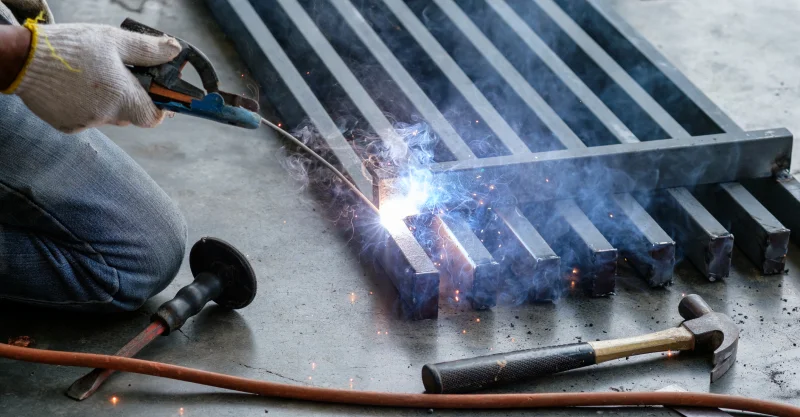
New to the welding world? If your answer is yes, it is unlikely that you know everything about arc welding. However, there is no need to worry. We have got you covered! What Is Arc Welding? Arc welding is a typical welding technology that entails supplying electricity to heat and melt the weld metal using a welding electrode, resulting in the formation of a strong joint over the weld region. Arc welding is a metal-joining fusion welding method. An electric arc generated by an AC or DC power supply generates a high temperature of roughly 6500°F, melting the metal at the joint between two work parts. How Does Arc Welding Process Work? Arc welding can now be done in one of two ways. One method involves the use of a consumable electrode, while the other involves the use of a non-consumable electrode. Consumable Electrode Methods MIG and MAG Metal Inert
Importance Of Stainless Steel In The Fabrication Industry
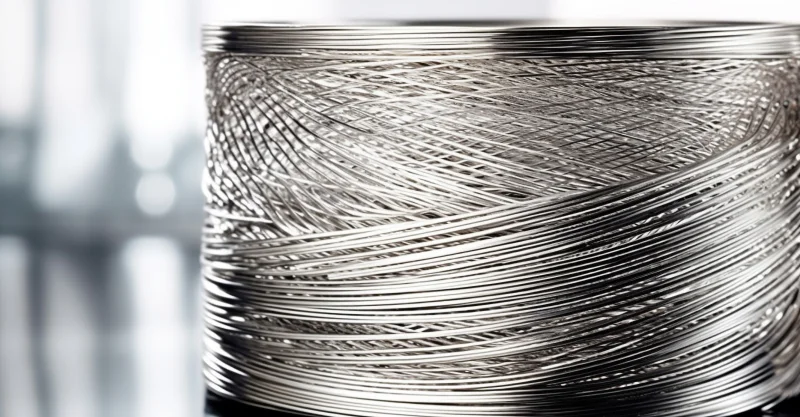
It’s clear to understand how important stainless steel wire products have become in today’s world. Stainless steel has a wide range of uses, and the list of advantages is long. Nickel , iron, chromium, and other metals combine to form stainless steel. Stainless steel is inert and environmentally friendly. When it comes into touch with water, it also does not react or change its makeup. Stainless steel is also hygienic, easy to clean, long-lasting, and attractive. There are numerous other advantages of stainless steel. Temperature resistance: When it comes to stainless steel fabrication, it’s only tough if your fabricator is utilising outdated equipment. Stainless steel wire is extremely robust, and as a result, it is a cost-effective and long-term solution for any sector. Stainless steel costs are normally constant and do not change much. Stainless steel has a high carbon content, which gives it qualities like strength, lightness, and low
How To Choose The Right Grade For The Right Applications?
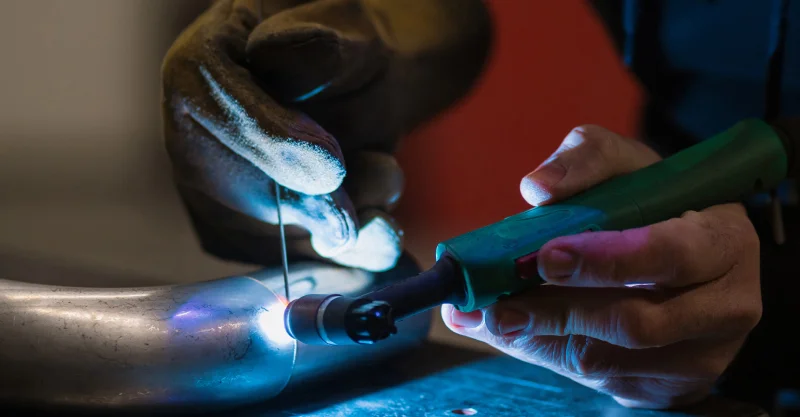
Stick welding requires practice to perfect, and choosing the right electrode for the job can be similarly difficult. Given the range of welding methods available, deciding which one is best for your shop can be a perplexing and tough decision. Choosing the appropriate welding rod might be difficult because there is no such thing as a universal electrode for welding in every situation. Since there is no one welding method, we need to evaluate the plus and minus points of all the welding procedures. Weld Requirements The first step is to determine what the weld will have to accomplish. What characteristics does it require? What type of metal are you utilising? Fill amount, position, speed of travel, and penetration are the four factors you will need to consider in any weld. It’s considerably more crucial to have a fast-filling material in a heavy weld than it is in a tiny