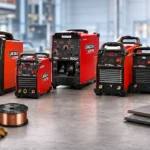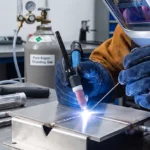
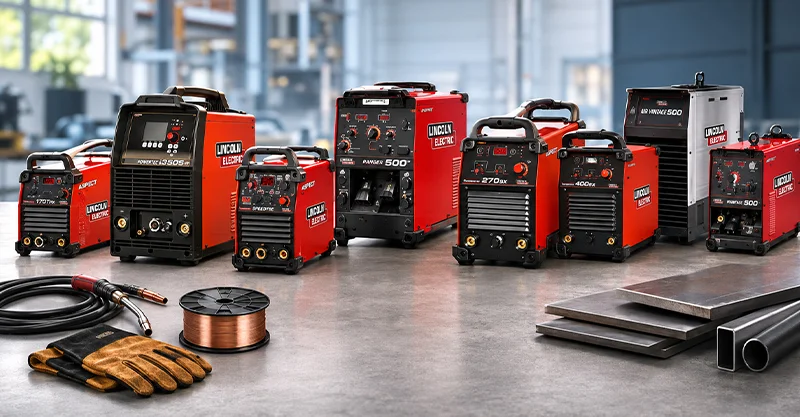
Lincoln Electric Welding Machines in India: Range & Support
A good welding machine is a long term investment, so most buyers want a brand they can trust and a supplier who will stand behind it. Lincoln Electric is one of the most respected names in welding worldwide, and Shivshakti Metal supplies its machines in India. This page covers the Lincoln Electric range we offer, who each machine suits, and the support you get when you buy through us. Shivshakti Metal, Your Lincoln Electric Supplier in India Shivshakti Metal supplies Lincoln Electric welding machines to fabricators, OEMs and project contractors across India. Alongside the machines, you get access to our Fusion Wire welding wires, consumables and technical support, so you can set up a complete welding line from one supplier. Why Lincoln Electric? Lincoln Electric machines are known for stable arc performance, build quality and long service life. For shops running critical or high volume work, that reliability keeps production
Why Fabricators & OEMs Choose Shivshakti Metal for Special-Grade TIG & MIG Wires
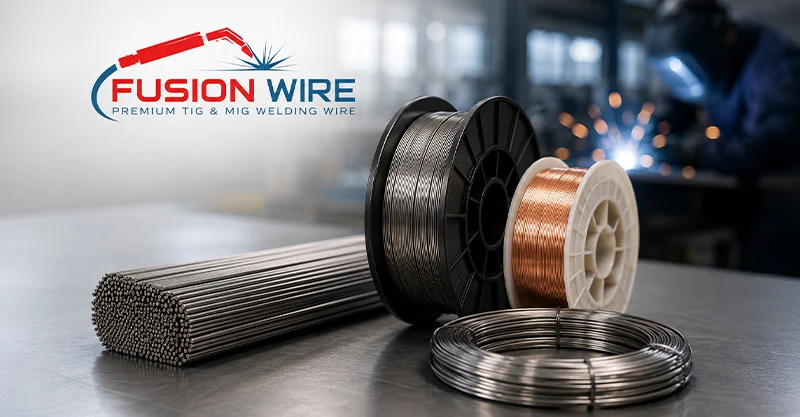
Choosing a welding wire supplier is easy when you weld mild steel. It gets harder when your job needs nickel, Monel, Hastelloy, Stellite or duplex wire, where quality and consistency decide whether a critical weld passes or fails. This is exactly where Shivshakti Metal fits. We are not a general trader. We make special grade TIG and MIG wires, and that focus is why fabricators and OEMs across India keep coming back. Who is Shivshakti Metal? Shivshakti Metal was founded in 2007 by Mr. Viren Tripathi in Ahmedabad. Over 18 plus years we have grown into a manufacturer of special grade TIG and MIG wires under our Fusion Wire brand. Our wires are made under ISO 9001:2015 and supplied through a dealer network across India. You can see our full company profile as one of the established welding wire manufacturers in India on our homepage. What “Special Grade” Actually Means
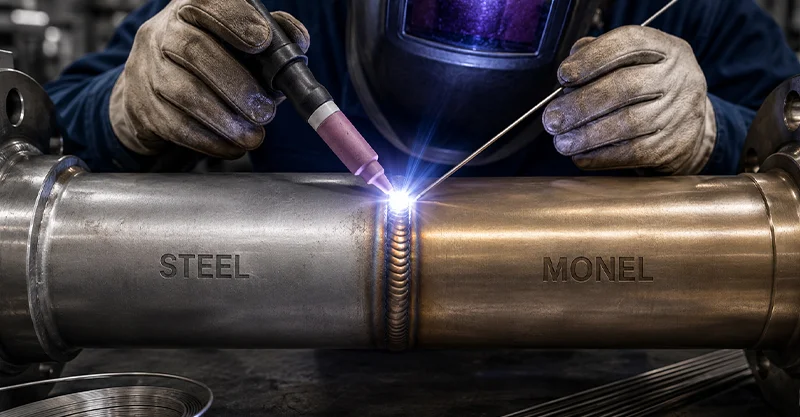
Welding Monel to Steel: Which Filler Wire & Procedure
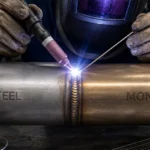
Joining Monel to steel is one of the trickiest jobs a fabricator faces. You are welding two very different metals, and the filler wire you pick decides whether the joint holds or cracks in service. Pick the wrong wire and you get porosity, cracking, or a weld that corrodes fast. This guide covers which filler wire to use for Monel to steel, and the step by step procedure that gives you a sound, reliable joint. Why Welding Monel to Steel is Difficult Monel is a nickel copper alloy built for seawater and chemical service. Steel, whether carbon or stainless, behaves very differently under the arc. When you melt them together, three problems show up. Iron from the steel dilutes into the weld and can lower its corrosion resistance and toughness. Nickel copper weld metal is sensitive to sulphur, grease, and other contamination, which causes hot cracking. The two metals expand
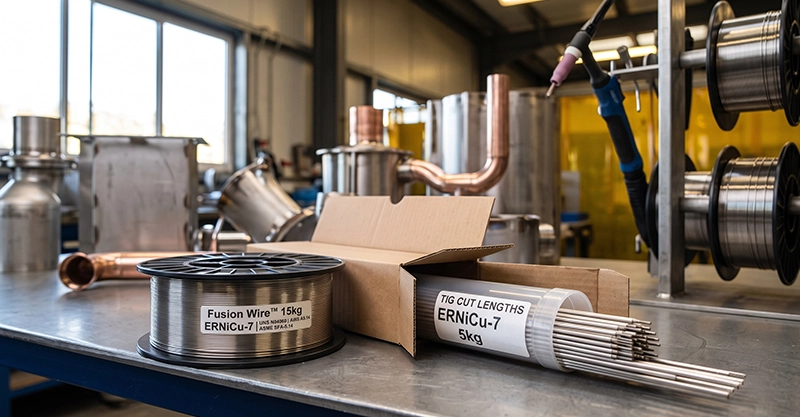
Monel Filler Wire (ERNiCu-7): Grades, Applications & How to Choose
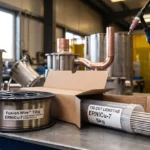
Monel filler wire is the go-to consumable for welding nickel-copper alloys used in the world’s harshest marine and chemical environments. The most widely specified grade is ERNiCu-7 – a titanium-bearing nickel-copper wire that produces dense, porosity-free welds with excellent seawater and acid resistance. This guide explains ERNiCu-7 Monel filler wire – its composition, grades and forms, key applications, and exactly how to choose the right one for your job. What is Monel Filler Wire (ERNiCu-7)? ERNiCu-7 (UNS N04060), commonly known as Monel Filler Metal 60 or Alloy 60, is a nickel-copper filler wire classified under AWS A5.14 for TIG (GTAW) and MIG (GMAW) welding. It is the matching filler for welding Monel alloy 400 and other nickel-copper alloys. Its defining feature is a controlled addition of titanium, which deoxidises the weld pool and prevents the porosity that plagues nickel-copper welds made with base-composition filler. The result is sound, corrosion-resistant weld
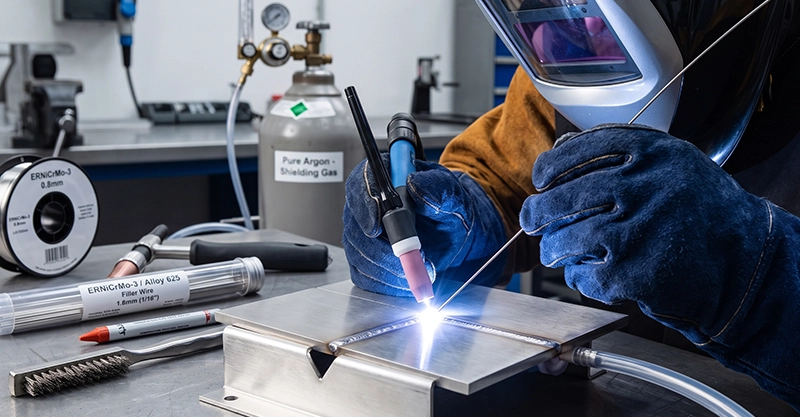
How to Weld Inconel 625: Right Filler Wire, Settings & Common Mistakes
Inconel 625 (Alloy 625) is one of the toughest nickel-chromium-molybdenum superalloys to weld well – it is sluggish in the weld pool, sensitive to contamination, and unforgiving of excess heat. Get the filler wire, shielding gas, and heat input right, and you get dense, crack-free welds with full corrosion resistance. Get them wrong, and you get porosity, hot cracking, and oxidised roots. This guide shows you exactly how to weld Inconel 625, the correct filler wire, machine settings, step-by-step technique, and the common mistakes to avoid. What is Inconel 625 and Why is it Hard to Weld? Inconel 625 (UNS N06625) is a nickel-based superalloy alloyed with chromium, molybdenum, and niobium. It is prized for outstanding corrosion resistance, high strength, and performance from cryogenic temperatures up to high heat – which is why it dominates petrochemical, marine, offshore, aerospace, and chemical applications. The same properties that make it valuable also
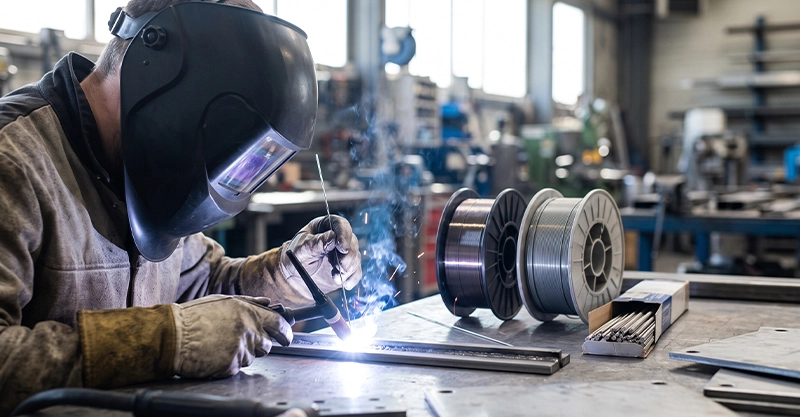
Inconel Welding Wire Guide: ERNiCr-3 vs ERNiCrMo-3 (Inconel 82 vs 625) – Which to Use
What is Inconel Welding Wire? “Inconel” is the trade name for a family of nickel-chromium superalloys prized for strength and stability in extreme environments. Inconel welding wires are high-nickel filler metals used to: Weld Inconel and Incoloy base metals (600, 601, 625, 690, 800, 825) Join dissimilar metals — such as stainless steel to carbon steel, or nickel alloys to steel Weld components in high-temperature or corrosive service where stainless steel filler wire would fail The two workhorse grades carry AWS A5.14 classifications: ERNiCr-3 (Inconel 82) and ERNiCrMo-3 (Inconel 625). The defining difference is molybdenum — absent in ERNiCr-3, around 9% in ERNiCrMo-3. What is ERNiCr-3 (Inconel 82) Welding Wire? ERNiCr-3 (UNS N06082), commonly called Inconel Filler Metal 82 or Alloy 82, is a nickel-chromium filler wire alloyed with niobium and manganese but no molybdenum. This gives it excellent high-temperature strength and outstanding resistance to oxidation and scaling. It is