Welding plays a critical role in manufacturing, infrastructure, fabrication, automotive, oil & gas, power plants, and heavy engineering projects. But at the heart of every strong weld lies one essential component – the welding electrode.
If you’re searching for what is welding electrodes or want to learn more about welding electrodes, this complete guide will help you understand their function, types, applications, and selection process in a clear and practical way.
Table of Contents
- What is Welding Electrodes?
- Why Welding Electrodes Are Important
- How Welding Electrodes Work
- Types of Welding Electrodes
- Components of a Coated Welding Electrode
- Common Classifications of Welding Electrodes
- Applications of Welding Electrodes
- How to Choose the Right Welding Electrode
- Common Problems Caused by Wrong Electrode Selection
- Conclusion
What is Welding Electrodes?
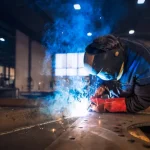
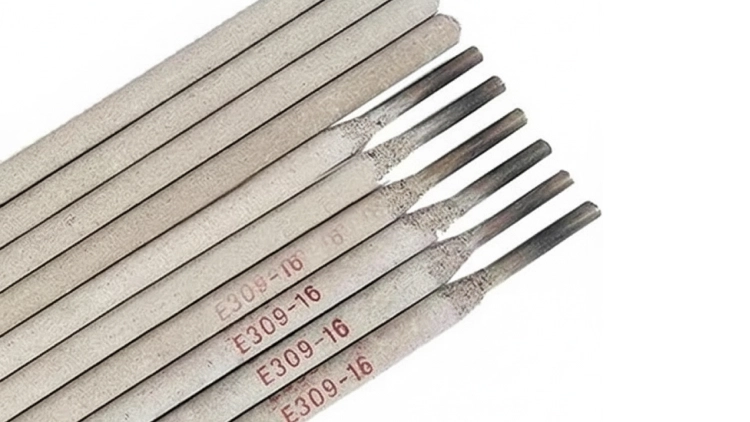
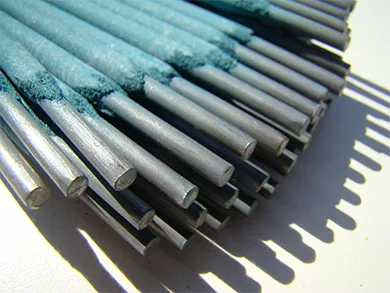 A welding electrode is a metal wire or rod used to create an electric arc between the electrode and the base metal. This arc generates intense heat that melts the base material and, in many cases, the electrode itself — forming a strong metallurgical bond.
In simple terms:
A welding electrode conducts electricity to create heat and may also supply filler metal to join two metal pieces together.
Example:
When fabricating a stainless steel storage tank, the welder uses a compatible electrode. The arc melts both the tank plate edges and the electrode tip, creating a clean and durable joint.
Why Welding Electrodes Are Important
Understanding about welding electrodes is important because they directly affect:
- Weld strength
- Penetration depth
- Corrosion resistance
- Surface finish
- Crack resistance
- Productivity and efficiency
Using the wrong electrode can lead to:
- Weak joints
- Porosity
- Cracking
- Excessive spatter
- Rework and project delays
That’s why professional fabricators and OEMs rely on high-quality, consistent electrodes from trusted suppliers.
How Welding Electrodes Work
The working principle is straightforward:
- Power source supplies current.
- The electrode touches the base metal.
- An electric arc forms.
- Heat (up to 6,500°F / 3,600°C) melts metal.
- Molten metal solidifies to form a weld joint.
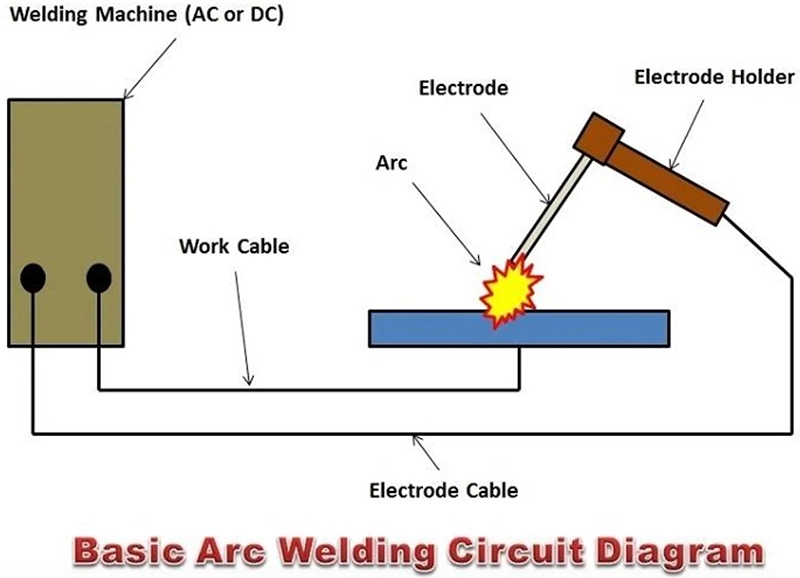
Two Key Roles of an Electrode:
- Conduct electricity
- Provide filler metal (in consumable electrodes)
In coated electrodes, the flux covering melts and forms a protective gas shield, preventing atmospheric contamination.
Types of Welding Electrodes
There are two primary categories:

1. Consumable Electrodes
These electrodes melt during welding and become part of the weld.
Common Types:
- Stick electrodes (SMAW)
- MIG wires (GMAW)
- Flux-cored wires (FCAW)
Used In:
- Structural fabrication
- Heavy equipment
- Construction projects

2. Non-Consumable Electrodes
These electrodes do not melt during welding.
Example:
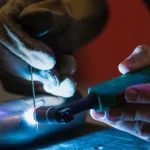
The filler metal is supplied separately, making this method ideal for precision welding.
Used In:
- Aerospace components
- Stainless steel fabrication
- Pressure vessels
Components of a Coated Welding Electrode
A typical coated electrode consists of:
- Core Wire – Conducts current and supplies filler metal
- Flux Coating – Provides shielding gas and slag
- Arc Stabilisers – Improve arc consistency
- Deoxidisers – Reduce impurities
The flux coating plays a major role in:
- Slag formation
- Smooth bead appearance
- Protection from oxidation
Common Classifications of Welding Electrodes
Electrodes are classified based on:
- Tensile strength
- Welding position
- Type of coating
- Current compatibility (AC/DC)
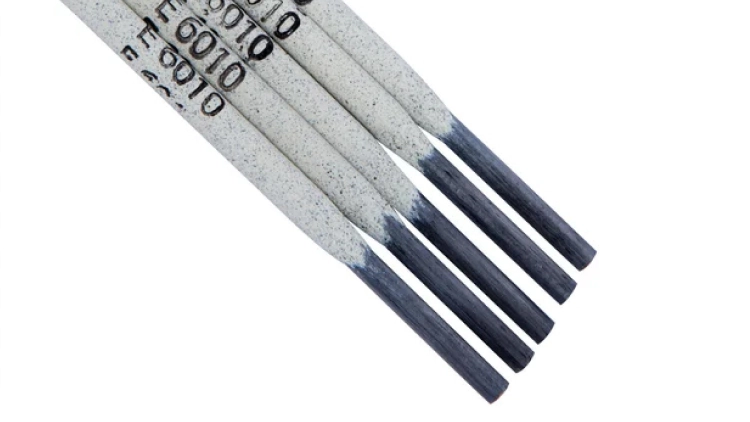
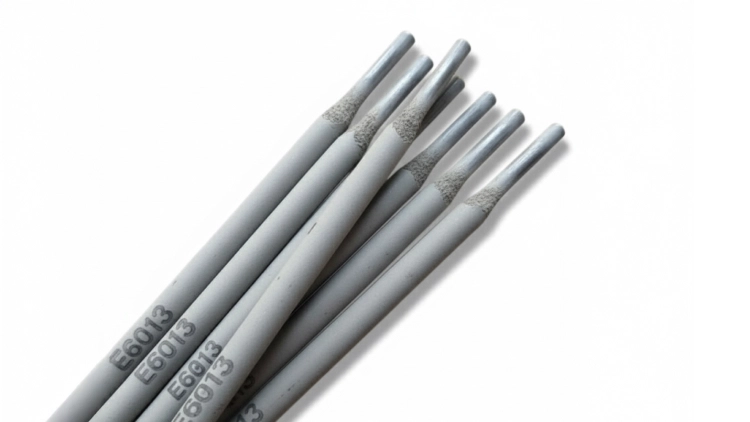
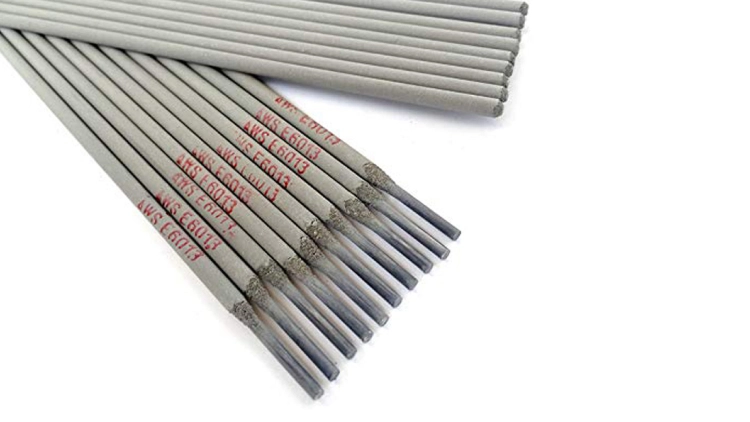
For example, an E6013 electrode:
- “60” indicates 60,000 PSI tensile strength
- “1” means all-position welding
- “3” refers to coating type
Understanding these codes ensures correct selection for the job.
Applications of Welding Electrodes
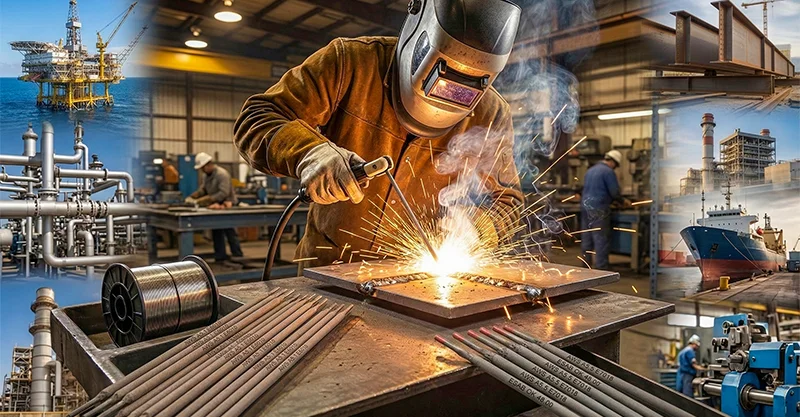
Welding electrodes are widely used in:
- Structural steel fabrication
- Oil & gas pipelines
- Shipbuilding
- Power plants
- Automotive manufacturing
- Heavy machinery
Example:
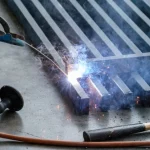
In stainless steel railing fabrication, using a compatible stainless electrode prevents rust formation and ensures long-term durability.
How to Choose the Right Welding Electrode
Selecting the correct electrode depends on:
- Base metal type
- Joint design
- Welding position
- Required strength
- Environmental exposure
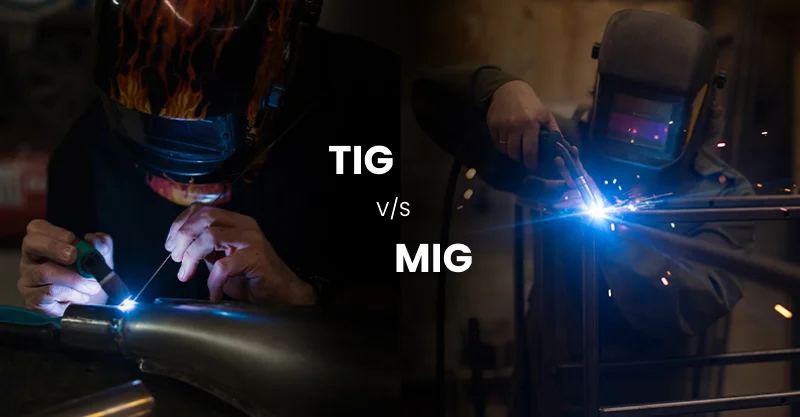
- Welding process (TIG, MIG, Stick)
For stainless steel applications, TIG or MIG wires offer clean and corrosion-resistant welds.
For heavy structural work, coated stick electrodes provide deep penetration and strength.
Common Problems Caused by Wrong Electrode Selection
- Poor fusion
- Cracking
- Excessive slag
- Porosity
- Low tensile strength
This is why industries prefer reliable brands with consistent chemical composition and manufacturing standards.
Conclusion
Now that you understand what is welding electrodes and have learned in detail about them, it’s clear that they are not just simple metal rods; they are engineered components that directly influence weld quality, safety, and project success.
Choosing the right electrode improves:
- Productivity
- Structural integrity
- Corrosion resistance
- Long-term performance
Whether you are a fabrication unit, OEM, or contractor, selecting high-quality welding electrodes ensures reliable and strong weld joints every time.