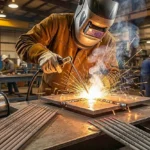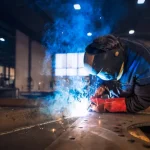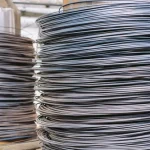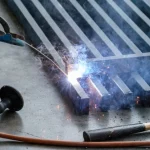
Welding is the backbone of fabrication, infrastructure, heavy engineering, and manufacturing industries. While machines and power sources are important, the real strength of any weld depends on one critical consumable – welding wire.
If you are searching for what welding wire is, this complete guide explains its meaning, types, working process, applications, and how to choose the right one for your project.
Whether you are a fabricator, OEM, contractor, or engineering student, this guide will help you clearly understand welding wire and its role in achieving strong, durable welds.
Table of Contents
- What is Welding Wire?
- Why Welding Wire is Important
- How Welding Wire Works
- Types of Welding Wire
- Solid Wire vs Flux Cored Wire
- Applications of Welding Wire
- How to Choose the Right Welding Wire
- Common Problems Caused by Wrong Welding Wire
- Conclusion
- FAQs
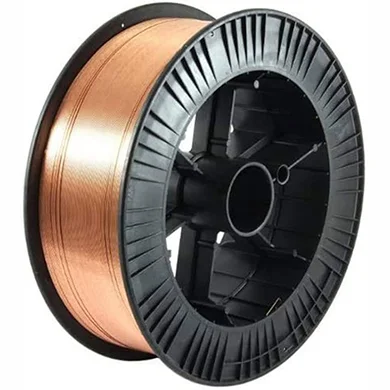
What is Welding Wire?
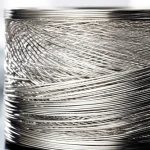
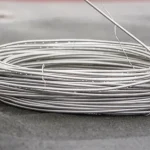
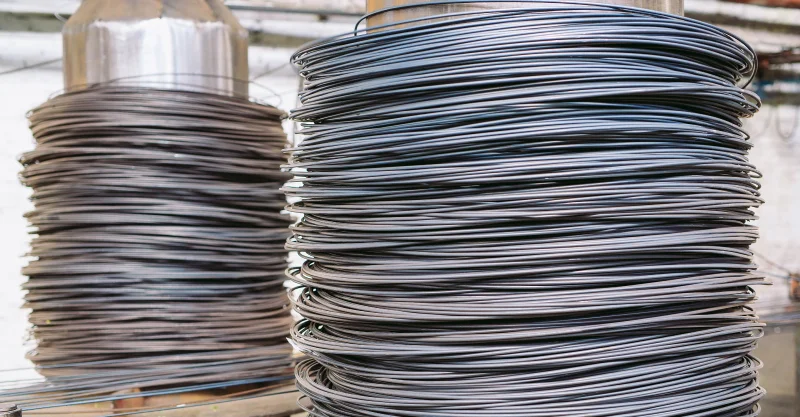
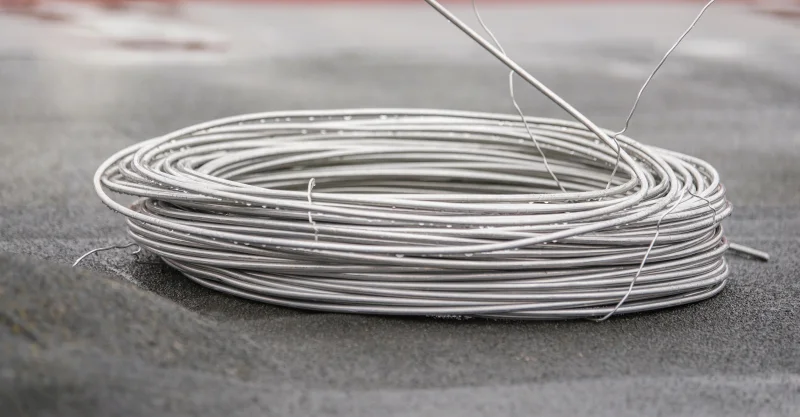
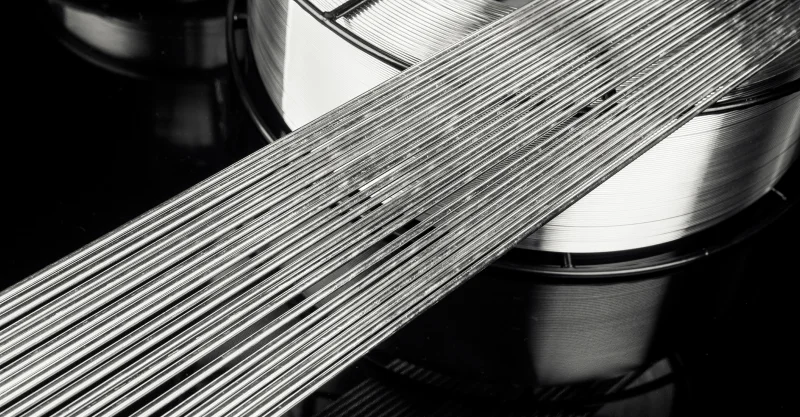
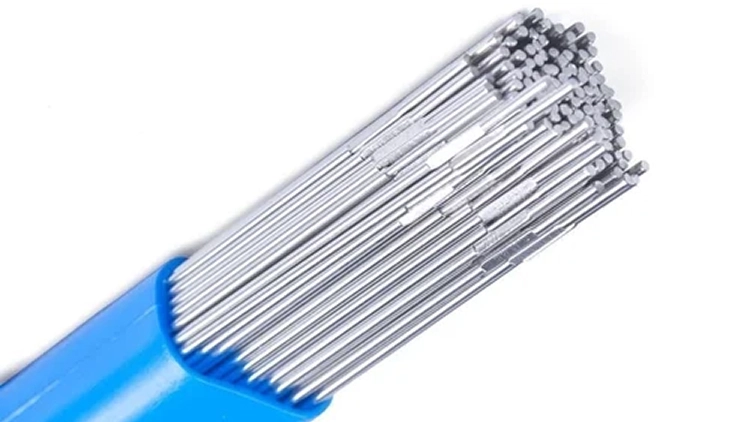
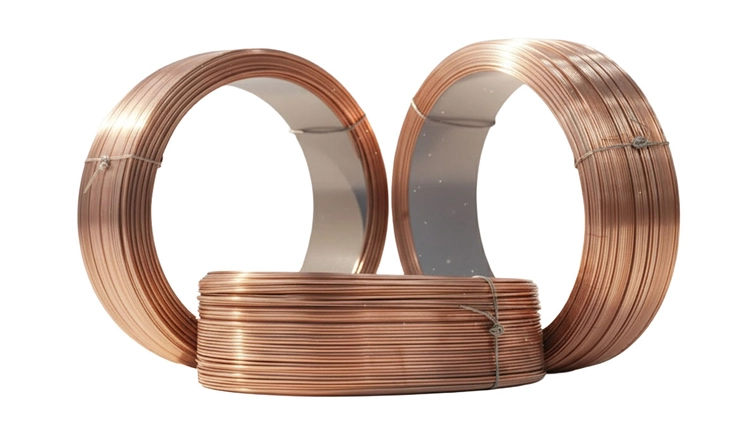
Welding wire is a metal filler material used in welding processes to join two base metals together. It conducts electrical current and melts during welding to form a strong bond between metal pieces.
In simple terms:
Welding wire acts as both a conductor and filler metal that melts and fuses materials together.
Example:
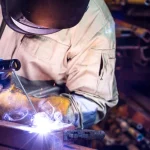
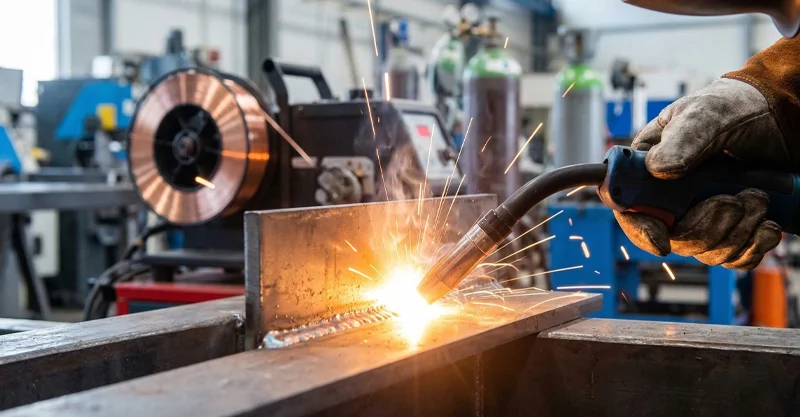
In stainless steel fabrication for railings or tanks, a compatible stainless steel welding wire is fed through a MIG torch. The arc melts the wire and base metal edges, creating a clean and corrosion-resistant joint.
Why Welding Wire is Important
Understanding welding wire is essential because it directly affects:
- Weld strength
- Penetration depth
- Corrosion resistance
- Heat resistance
- Surface finish
- Productivity
Using the wrong welding wire can result in:
- Weak joints
- Porosity
- Cracking
- Excessive spatter
- Reduced structural integrity
That’s why industries rely on consistent, high-quality welding wire from trusted manufacturers.
How Welding Wire Works
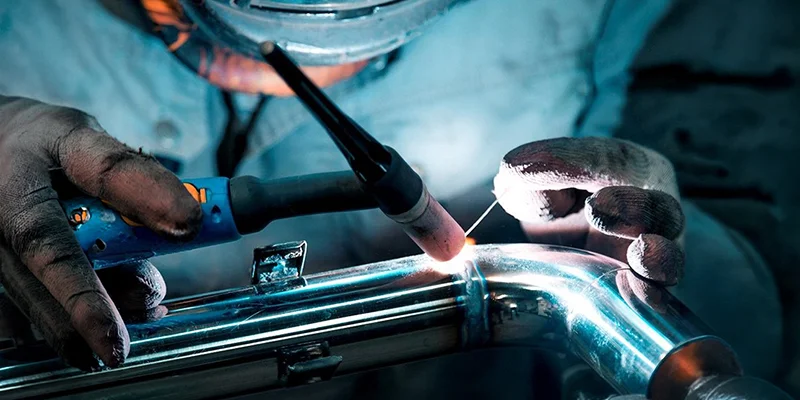
Welding wire is primarily used in processes such as:
- MIG Welding (GMAW)
- TIG Welding (GTAW)
- Flux-Cored Arc Welding (FCAW)
- Submerged Arc Welding (SAW)
Working Process:
- The welding machine supplies electric current.
- The wire is continuously fed (MIG/FCAW) or manually added (TIG).
- An arc forms between wire and base metal.
- The wire melts and fills the joint.
- The molten pool solidifies to create a weld bead.
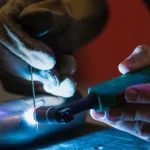
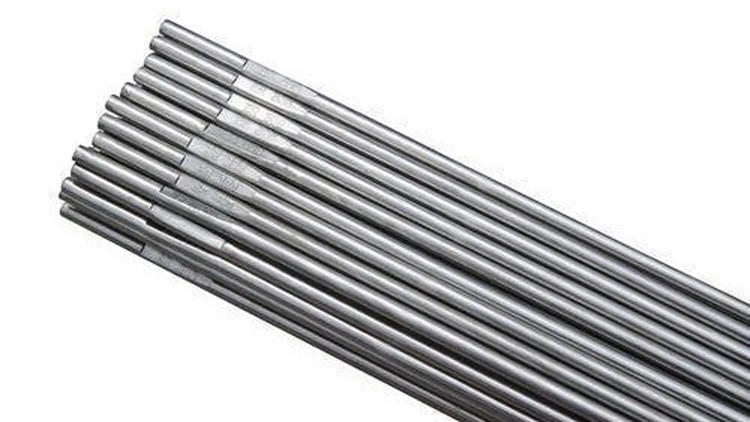
In TIG welding, the tungsten electrode creates the arc, and the welding wire is added separately as filler metal.
Types of Welding Wire

1️. Solid Welding Wire
- Used in MIG and TIG welding
- Requires external shielding gas
- Produces clean welds
- Ideal for stainless steel and mild steel fabrication
Common Uses:
- Automotive components
- Structural fabrication
- Stainless steel railings

2️. Flux Cored Welding Wire
- Contains flux inside the wire core
- May not require external shielding gas (self-shielded type)
- Suitable for outdoor and heavy-duty applications
- Offers deeper penetration
Common Uses:
- Construction sites
- Shipbuilding
- Heavy machinery
Solid Wire vs Flux Cored Wire
| Feature | Solid Wire | Flux Cored Wire |
|---|---|---|
| Shielding | External Gas Required | Flux or Gas + Flux |
| Cleanliness | Cleaner Weld | More Slag |
| Outdoor Use | Limited | Better |
| Penetration | Moderate | Deep |
| Productivity | High | Very High |
Choosing between them depends on the project environment and weld strength requirements.
Applications of Welding Wire
Welding wire is widely used in:
- Oil & Gas pipelines
- Power plants
- Chemical industries
- Automotive manufacturing
- Pressure vessels
- Aerospace components
For example, nickel alloy welding wire is used in high-temperature and corrosion-resistant environments like chemical plants.
How to Choose the Right Welding Wire
Selecting the correct welding wire depends on:
- Base metal composition
- Required tensile strength
- Corrosion resistance needs
- Welding position
- Working environment (indoor/outdoor)
- Welding process (MIG, TIG, SAW, FCAW)
For stainless steel projects, compatible stainless TIG or MIG wire ensures corrosion resistance and durability.
For high-heat environments, nickel or special alloy welding wires are recommended.
Common Problems Caused by Wrong Welding Wire
- Incomplete fusion
- Cracking
- Excessive spatter
- Porosity
- Reduced strength
- Surface contamination
Using high-quality, metallurgically consistent welding wire prevents these issues.
Conclusion
Now that you understand what welding wire is, it’s clear that welding wire is not just a filler metal; it directly determines weld strength, durability, and long-term performance.
Choosing the right welding wire improves:
- Structural integrity
- Productivity
- Corrosion resistance
- Overall weld quality
For fabrication units, OEMs, and contractors, investing in high-quality welding wire ensures reliable results and reduced rework.
Looking for reliable and performance-driven welding wire?
Get High-Quality Fusion WireTM Make Welding Wire for Your Projects