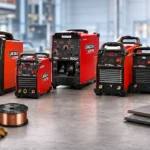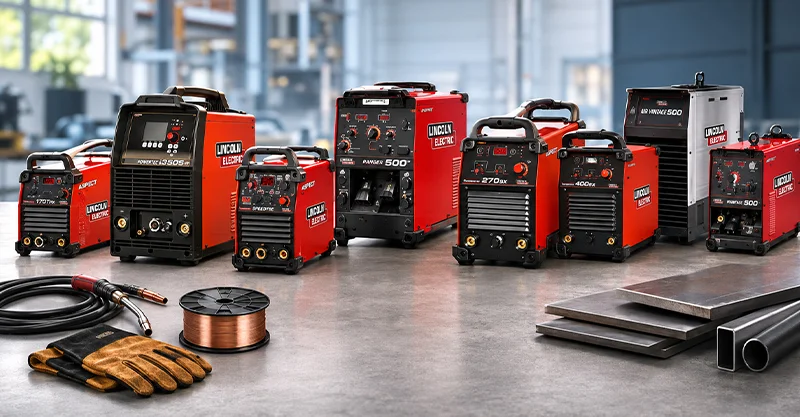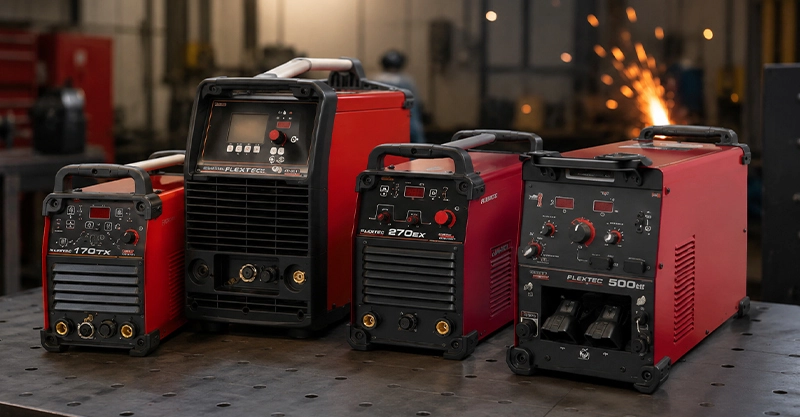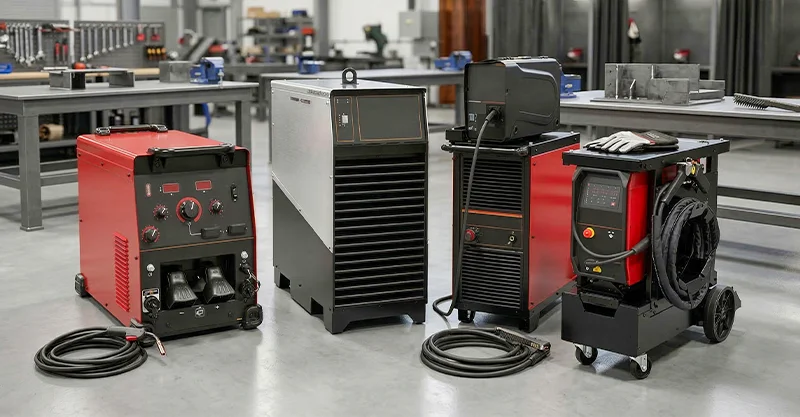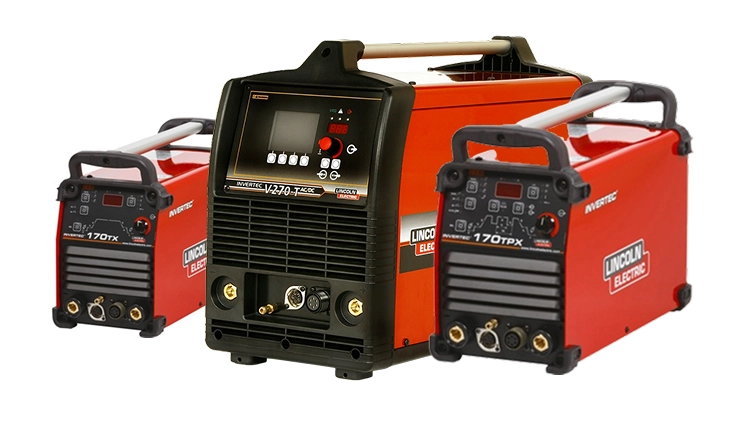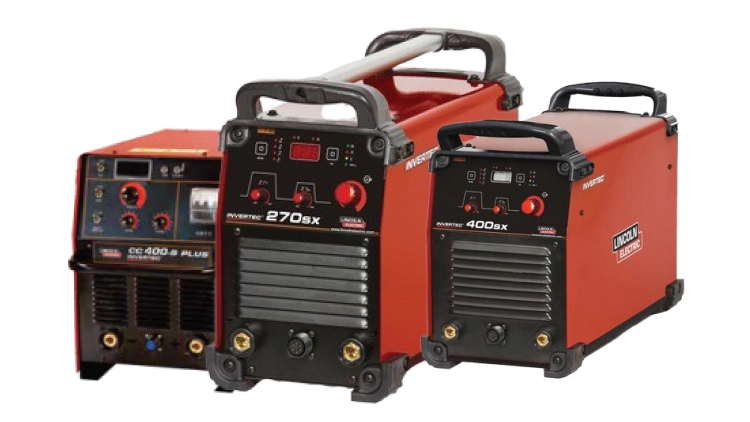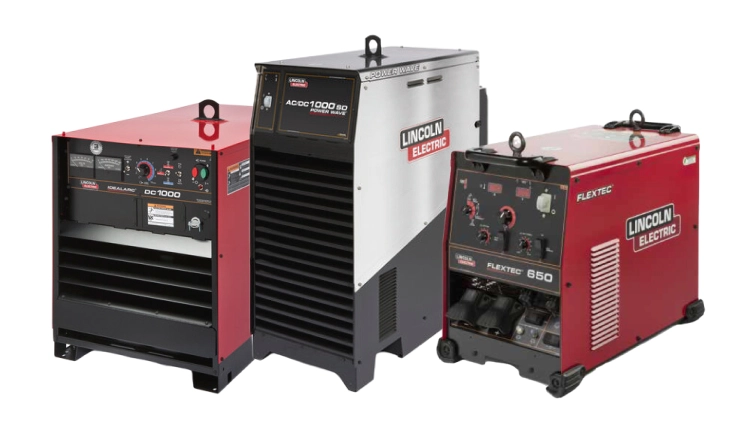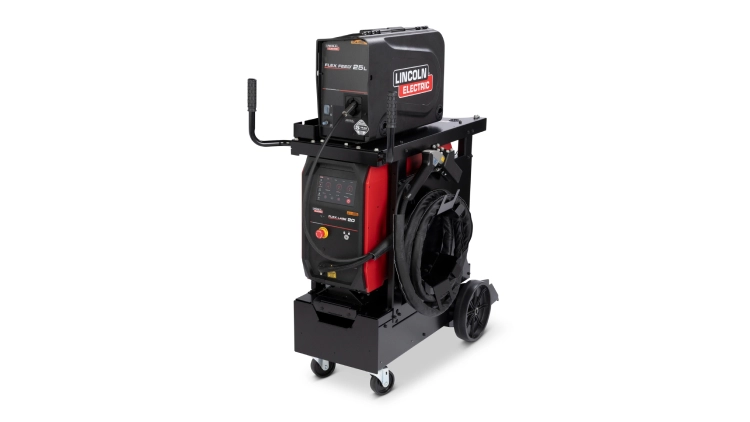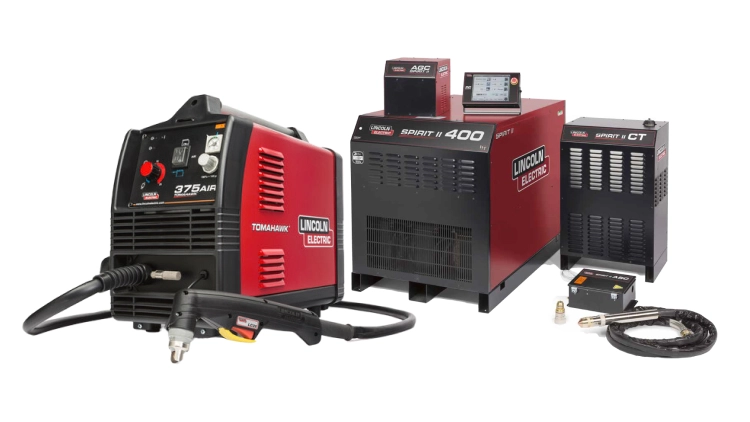
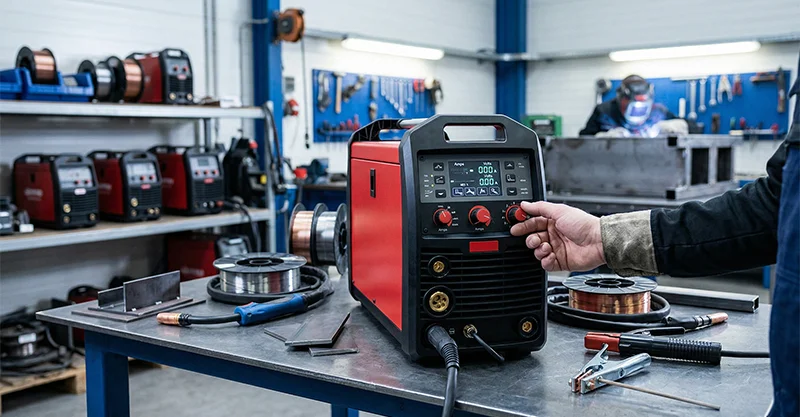
Selecting the right welding power source is one of the most important decisions in any fabrication or manufacturing setup. The power source directly affects arc stability, weld penetration, productivity, and overall weld quality.
Whether you are working in a small workshop or a large industrial plant, understanding how to choose the correct welding power source ensures efficiency, safety, and long-term performance.
This guide explains the key factors to consider when choosing a welding power source in a simple and practical way.
What is a Welding Power Source?
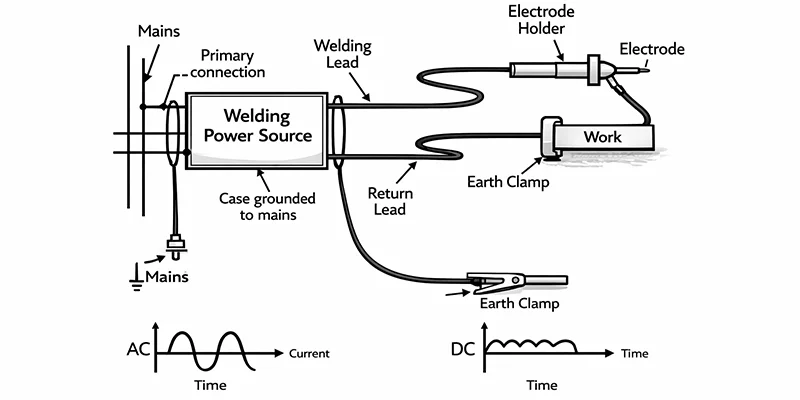
A welding power source is the main unit that supplies electrical energy to create and maintain the welding arc. It converts input electricity into controlled current and voltage suitable for different welding processes.
In simple terms:
The welding power source controls how much heat and arc stability you get during welding.
Without the right power source, even high-quality consumables and skilled operators cannot produce consistent welds.
Why Power Source Selection Matters
Choosing the correct welding power source impacts:
- Arc stability
- Weld penetration
- Heat control
- Energy efficiency
- Equipment lifespan
- Operating cost
An unsuitable power source can lead to inconsistent weld beads, overheating, excessive spatter, and low productivity.
Types of Welding Power Sources
Understanding the available options helps make an informed decision.
1. Constant Current (CC) Power Source
- Maintains steady current
- Ideal for manual processes
- Commonly used in SMAW (Stick) and TIG welding
Best for applications where arc length may vary during operation.
2. Constant Voltage (CV) Power Source
- Maintains stable voltage
- Adjusts current automatically
- Commonly used in MIG welding
Suitable for high-speed, continuous welding operations.
3. AC Power Source
- Alternating current output
- Useful for aluminium welding
- Often used in TIG welding
Helps break oxide layers in aluminium applications.
4. DC Power Source
- Direct current output
- Provides stable arc
- Suitable for most welding applications
DC is commonly preferred for smoother arc control and better penetration.
5. Inverter-Based Power Source
Modern inverter welding machines offer:
- Lightweight design
- Energy efficiency
- Better arc control
- Digital settings
These are widely used in industrial and fabrication environments due to their compact size and improved performance.
Key Factors to Consider When Choosing a Welding Power Source
Here are practical factors to evaluate:
1. Type of Welding Process
TIG, MIG, SAW, and SMAW require different power characteristics.
2. Material Type
Aluminium may require AC output, while stainless steel often works well with DC.
3. Material Thickness
Thicker materials require higher amperage capacity.
4. Duty Cycle
Duty cycle determines how long the machine can operate continuously without overheating.
5. Input Power Availability
Check whether your facility supports single-phase or three-phase input.
6. Portability Needs
For site work, compact inverter machines are more practical.
7. Future Expansion
Consider whether the machine allows multi-process functionality.
Common Mistakes to Avoid
- Choosing based only on price
- Ignoring duty cycle ratings
- Overlooking input voltage compatibility
- Selecting an insufficient amperage capacity
- Not considering future workload
Making a well-informed choice reduces maintenance issues and downtime.
Conclusion
Choosing a welding power source requires balancing process requirements, material type, production volume, and long-term operational efficiency.
The right power source improves arc stability, ensures consistent weld quality, reduces operating costs, and enhances overall productivity.
Careful evaluation of your welding needs will help you select a power source that delivers reliable performance and long service life.