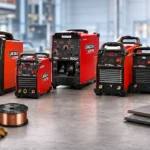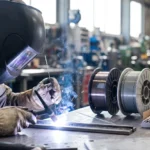
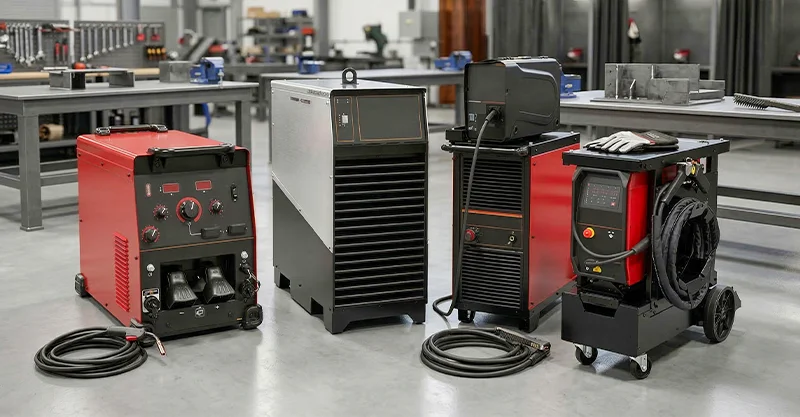
Welding is one of the most important processes in fabrication, manufacturing, construction, automotive, aerospace, and heavy engineering industries. At the center of this process is a critical piece of equipment, the welding machine.
If you are searching for what is welding machines, this complete guide explains what welding machines are, how they work, their types, applications, and how to choose the right one for your needs.
Whether you are a fabricator, workshop owner, contractor, or engineering student, understanding welding machines helps ensure strong, safe, and consistent weld quality.
What is Welding Machines?
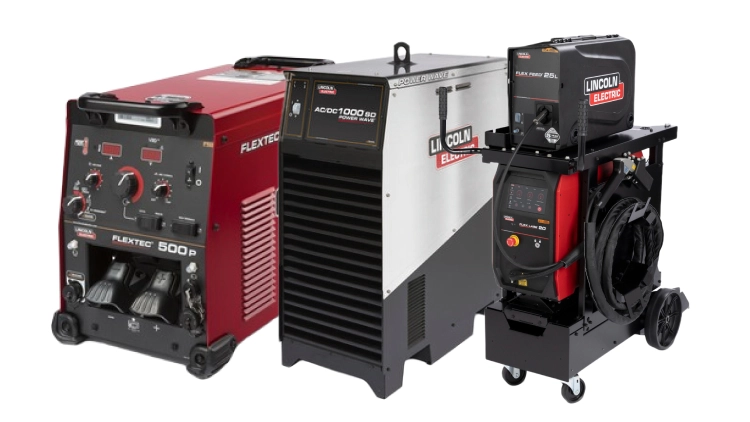
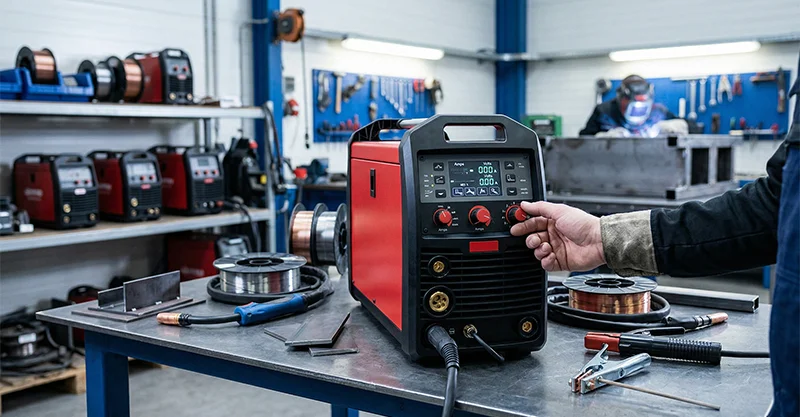
To understand what is welding machines, think of them as power sources that generate controlled heat to join metals together.
In simple terms:
A welding machine is equipment that supplies electrical energy to create an arc or heat source used to melt and fuse metal components.
Different welding machines use different technologies such as electric arc, laser beam, or plasma arc to produce the required heat.
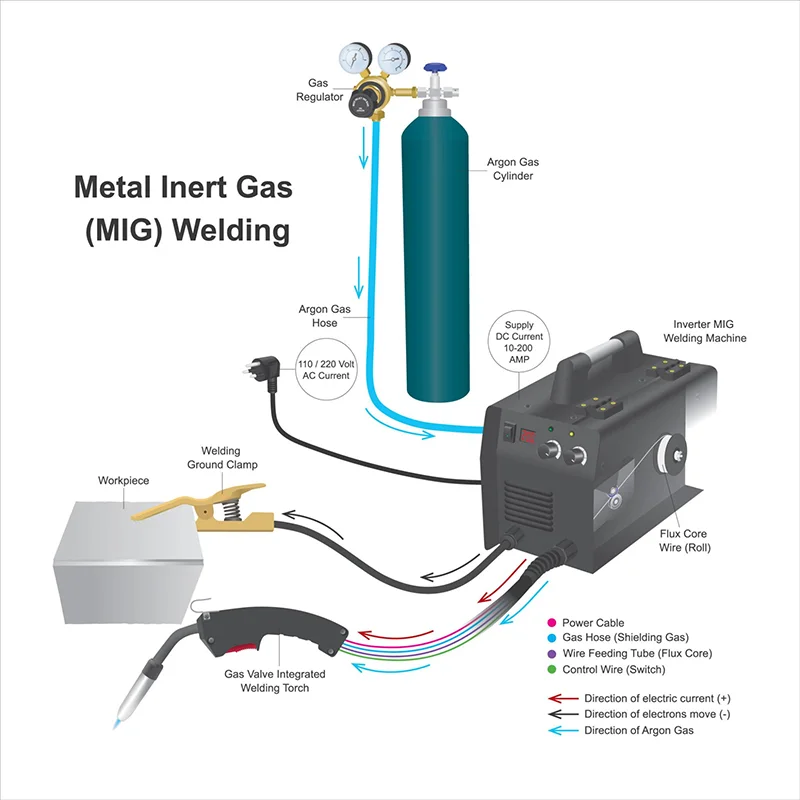
How Welding Machines Work
Most welding machines operate using this basic principle:
- The machine converts input power into controlled welding current.
- The current creates an electric arc between electrode/wire and base metal.
- The arc generates intense heat (above 3,000°C).
- The base metal melts.
- Filler material (if used) forms a strong joint after solidification.
Some advanced machines like laser or plasma use focused energy beams instead of traditional arc.
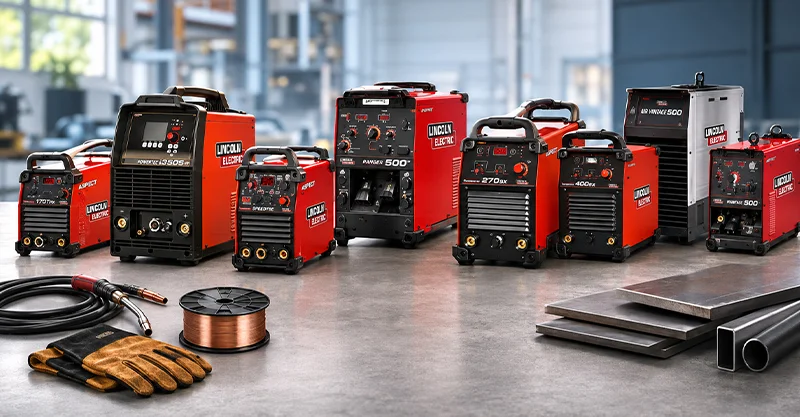
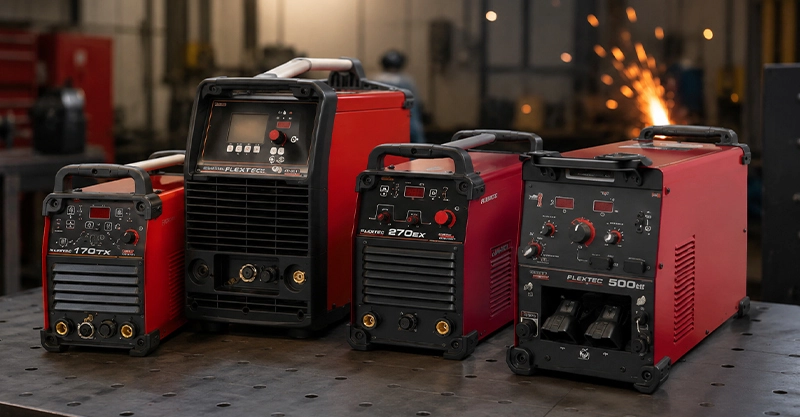
Types of Welding Machines
Understanding the types helps clarify what is welding machines in practical industrial use.
1. TIG Welding Machine (GTAW)
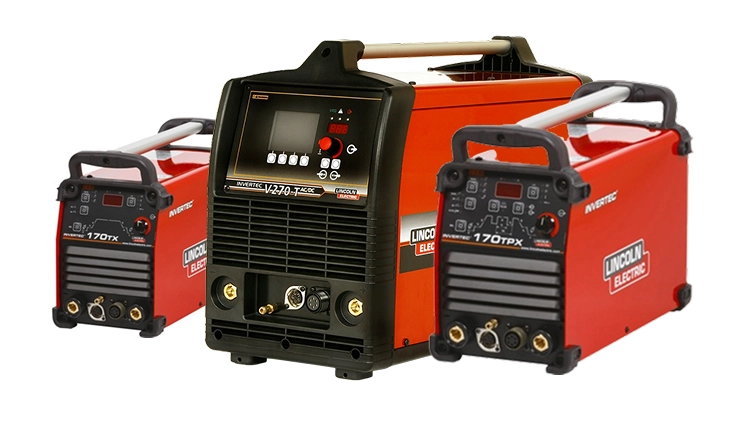
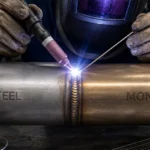
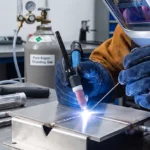
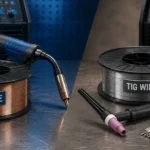
TIG (Tungsten Inert Gas) welding machines use a non-consumable tungsten electrode to create the arc.
Key Features:
- High precision
- Clean welds
- Suitable for thin materials
- Used with separate filler wire
Common Applications:
- Stainless steel fabrication
- Aerospace components
- Food-grade equipment
2. MIG Welding Machine (GMAW)

MIG (Metal Inert Gas) welding machines use a continuously fed wire and shielding gas.
Key Features:
- High productivity
- Easy to learn
- Fast welding speed
Common Applications:
- Automotive industry
- Structural fabrication
- General manufacturing
3. SAW Welding Machine (Submerged Arc Welding)
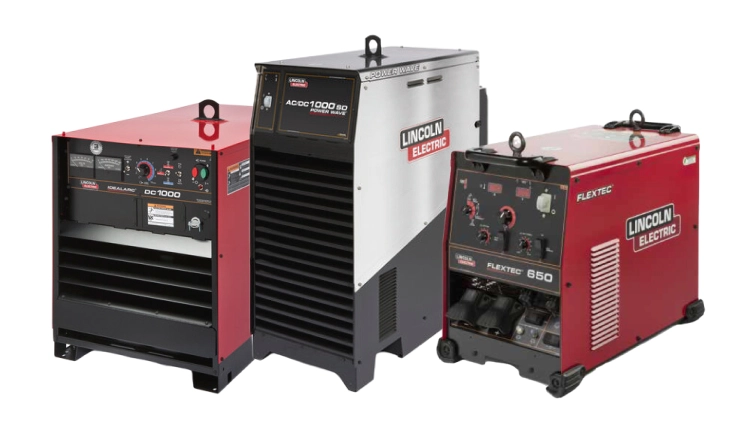
SAW machines use a continuously fed wire beneath a blanket of granular flux.
Key Features:
- Deep penetration
- High deposition rate
- Minimal spatter
Common Applications:
- Pressure vessels
- Pipelines
- Heavy steel structures
4. SMAW Welding Machine (Stick Welding)
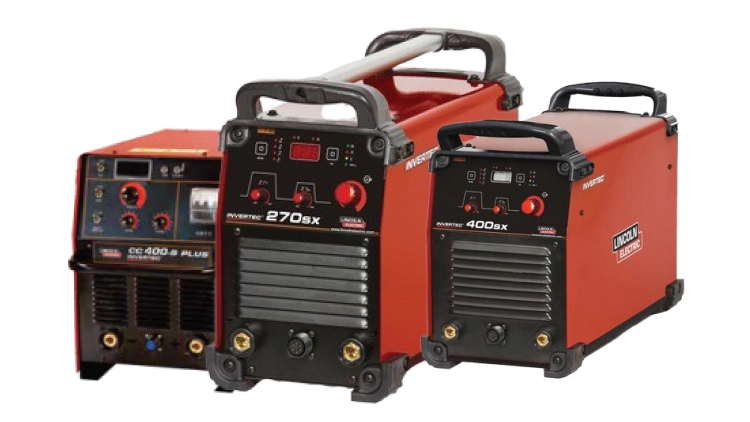
SMAW (Shielded Metal Arc Welding) machines use coated electrodes.
Key Features:
- Portable
- Cost-effective
- Suitable for outdoor work
Common Applications:
- Construction sites
- Maintenance work
- Repair jobs
5. Laser Welding Machine
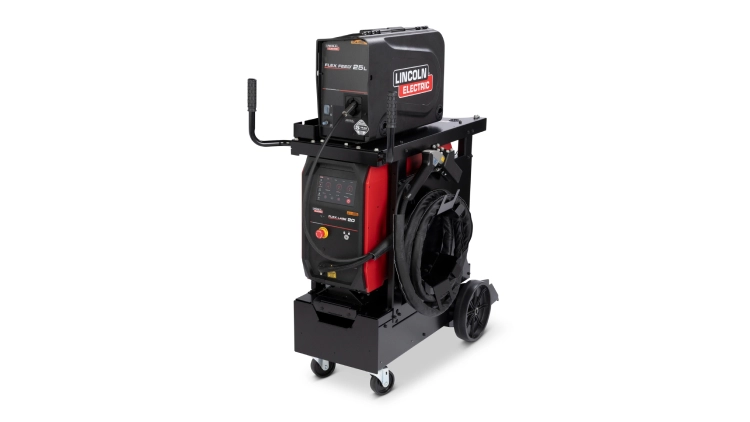
Laser welding machines use a focused laser beam to melt metal.
Key Features:
- Extremely precise
- Minimal heat distortion
- Suitable for automation
Common Applications:
- Electronics
- Medical devices
- Automotive components
6. Plasma Welding Machine
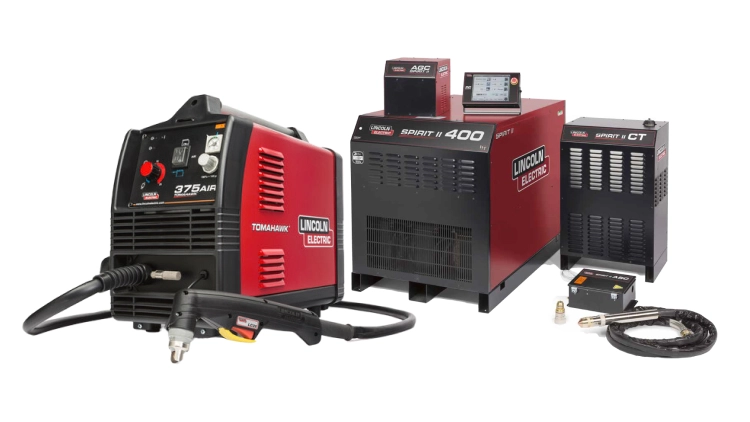
Plasma machines use a constricted plasma arc for high-energy welding.
Key Features:
- Greater control than TIG
- Deep penetration
- Suitable for precision work
Common Applications:
- Aerospace
- High-temperature components
- Specialized fabrication
Applications of Welding Machines
Welding machines are used across industries such as:
- Oil & Gas
- Power plants
- Shipbuilding
- Infrastructure projects
- Automotive manufacturing
- Heavy engineering
Each application requires selecting the correct machine type based on material thickness, production volume, and precision requirements.
How to Choose the Right Welding Machine
When selecting a welding machine, consider:
- Type of material (stainless steel, aluminium, alloy)
- Thickness of metal
- Required weld strength
- Production scale (manual or automated)
- Indoor or outdoor usage
- Budget and maintenance needs
For high-precision stainless steel fabrication, TIG machines are preferred.
For high-speed production, MIG machines are commonly selected.
For heavy structures, SAW machines provide strong penetration.
Common Problems Caused by Wrong Machine Selection
- Inconsistent weld quality
- Excessive heat distortion
- Low productivity
- High operating cost
- Equipment breakdown
Proper machine selection improves weld strength, efficiency, and long-term reliability.
Conclusion
Now that you understand what is welding machines, it is clear that welding machines are essential power sources that enable metal joining across industries.
From TIG and MIG to SAW, SMAW, Laser, and Plasma machines, each type serves a specific purpose. Selecting the right welding machine ensures strong welds, improved productivity, and reduced operational issues.
Understanding the machine type and its application helps achieve better results and long-term performance.