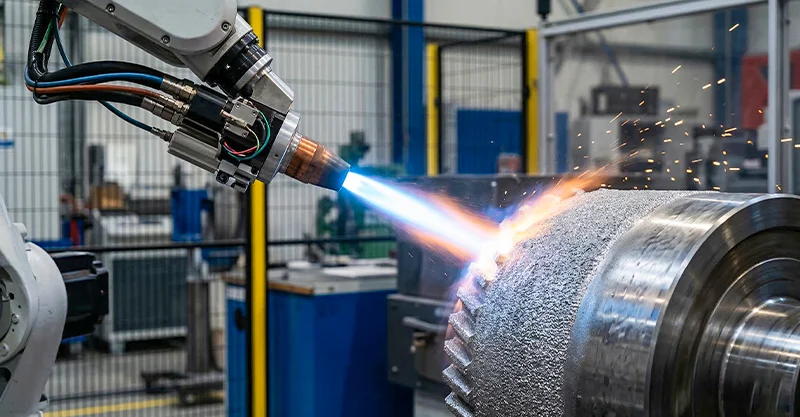
Thermal spray is an advanced surface engineering process widely used in manufacturing, power generation, oil & gas, aerospace, and heavy engineering industries. Instead of joining metals like welding, thermal spray improves surface properties such as wear resistance, corrosion protection, and thermal insulation.
If you are searching for what is thermal spray or trying to understand what is thermal spray coating, this complete guide explains the process, types, applications, advantages, and selection considerations in a clear and practical way.

What is Thermal Spray?
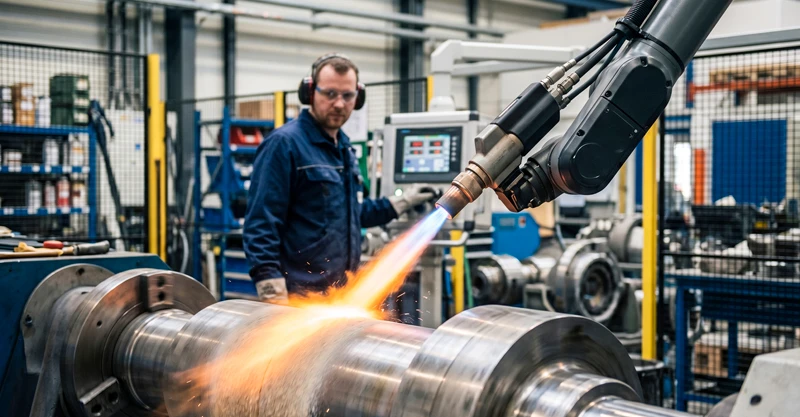
To clearly understand what thermal spray is, think of it as a process where molten or semi-molten materials are sprayed onto a surface to create a protective coating.
In simple terms:
Thermal spray is a coating process that melts material and propels it onto a prepared surface to improve its performance properties.
Unlike welding, thermal spray does not melt the base metal completely. Instead, it deposits a coating layer on top of it.
Example:
A steel shaft used in a chemical plant may corrode over time. Instead of replacing the entire shaft, thermal-spray coating can be applied to extend its service life by providing a corrosion-resistant layer.
What is Thermal Spray Coating?
When people ask what thermal spray coating is, they are referring to the actual protective layer created by the thermal spray process.
Thermal spray coating is a surface layer applied to improve:
- Wear resistance
- Corrosion resistance
- Heat resistance
- Electrical insulation
- Friction control
The coating material is heated (using flame, plasma, electric arc, or high-velocity gas), accelerated toward the surface, and solidifies instantly to form a dense protective layer.
How Thermal Spray Works
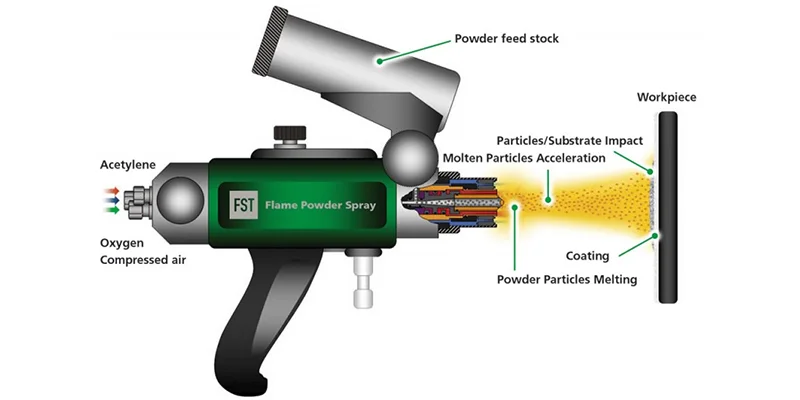
Understanding what is thermal spray becomes easier when we break down the working steps:
- Surface Preparation – The base metal is cleaned and roughened.
- Material Heating – Thermal spray powder or wire feedstock is heated to a molten or semi-molten state.
- Acceleration – The material is sprayed at high velocity.
- Impact & Solidification – Molten particles flatten and solidify on impact.
- Layer Build-Up – Repeated passes form a uniform coating thickness.
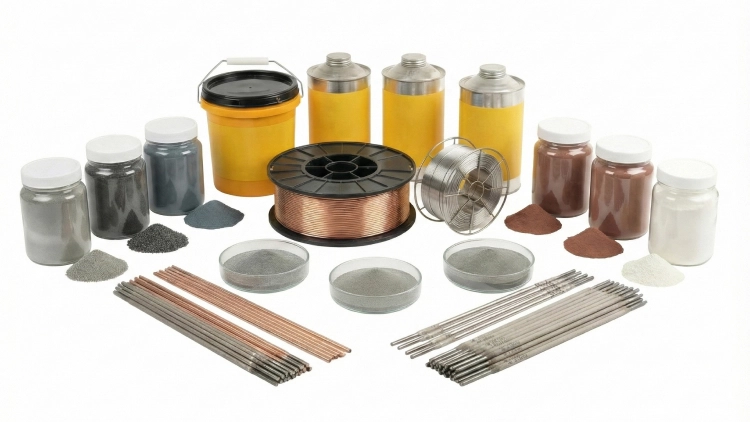
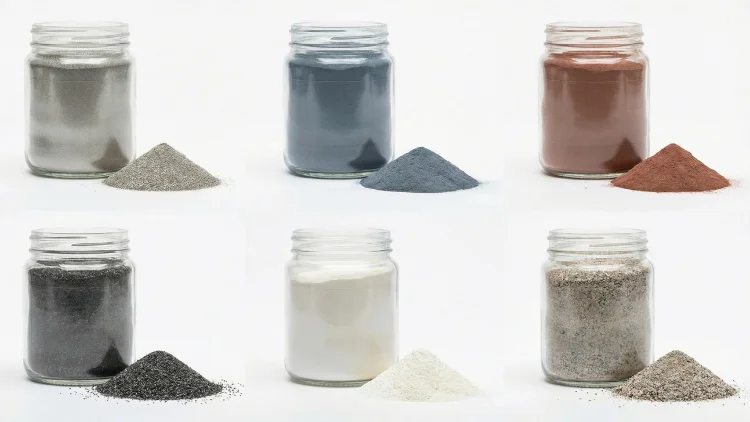
The feedstock material can be in powder form or wire form, depending on the thermal spray process.
Types of Thermal Spray Processes
1. Flame Spray
Uses combustion flame to melt coating material. Suitable for general corrosion protection.
2. Plasma Spray
Uses plasma arc to generate extremely high temperatures. Ideal for ceramic coatings and high-temperature applications.
3. Arc Spray
Uses an electric arc between two wires to melt the coating material. Common for metal coatings.
4. HVOF (High Velocity Oxy-Fuel)
Uses high-pressure combustion to create dense and strong coatings with excellent wear resistance.
Each method differs in temperature, coating density, and application area.
Materials Used in Thermal Spray
Thermal spray coatings can be made from:
- Stainless steel
- Nickel alloys
- Ceramic materials
- Tungsten carbide
- Aluminium
- Zinc
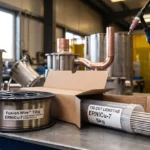
In some processes, wire-based feedstock similar to welding wire may be used, especially in arc spray systems.
Material selection depends on the required performance, such as corrosion resistance, hardness, or heat protection.
Applications of Thermal Spray Coating
Thermal spray coating is widely used in:
- Oil & Gas pipelines
- Power plant turbines
- Aerospace components
- Printing rollers
- Hydraulic shafts
- Marine components
Example:
A turbine blade exposed to high heat can be coated using plasma thermal spray to improve temperature resistance and extend operating life.
Advantages of Thermal Spray
Understanding what thermal spray coating is also requires knowing its benefits:
- Extends component life
- Reduces corrosion
- Improves wear resistance
- Cost-effective repair solution
- Minimal distortion compared to welding
- Can coat large surfaces
It is often used as a repair or preventive maintenance solution rather than replacing expensive parts.
Thermal Spray vs Welding
| Feature | Thermal Spray | Welding |
|---|---|---|
| Purpose | Surface coating | Metal joining |
| Base Metal Melting | No | Yes |
| Distortion Risk | Low | Higher |
| Repair Capability | Excellent | Moderate |
| Coating Thickness | Controlled | Not applicable |
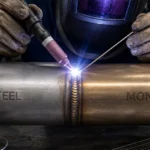
While welding joins metals using filler materials and a welding machine, thermal spray enhances surface properties without altering the structural core.
Limitations of Thermal Spray
- Requires surface preparation
- Bond strength depends on technique
- Not suitable for structural joining
- Requires skilled operation
Understanding these limitations helps in selecting the right surface engineering method.
Conclusion
Now that you clearly understand what is thermal spray and what is thermal spray coating, it becomes evident that this process is a powerful surface enhancement technology rather than a joining method.
Thermal spray coating improves durability, protects against corrosion, and extends the lifespan of industrial components without replacing the entire structure.
Selecting the correct spray process and coating material ensures optimal performance and long-term cost savings.
Looking for High Quality Thermal Spray?
Explore suitable coating materials and consult with industry experts