Thermal spray coating is one of the most effective surface engineering solutions used across industries to improve wear resistance, corrosion protection, thermal insulation, and equipment lifespan.
In sectors like oil & gas, aerospace, power plants, marine, steel plants, automotive, and heavy engineering, thermal spray processes help protect expensive components from extreme operating conditions.
For industrial buyers, maintenance managers, and plant engineers, understanding the different types of thermal spray is essential for selecting the right coating process that improves productivity and reduces replacement costs.
This guide explains the major types of thermal spray processes, their uses, industrial applications, and how to choose the right one.
What is Thermal Spray?
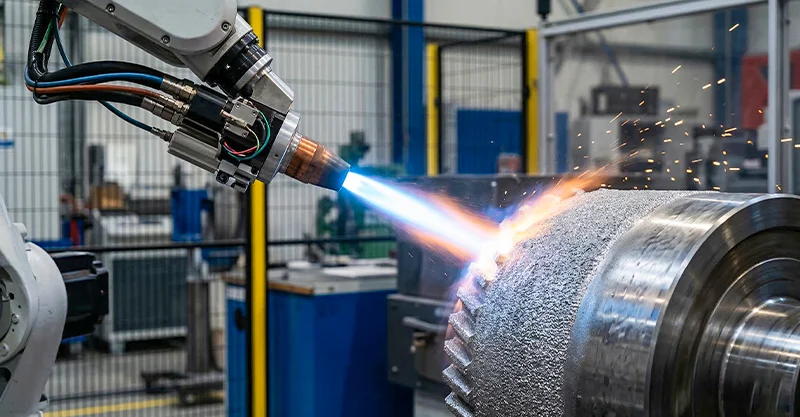
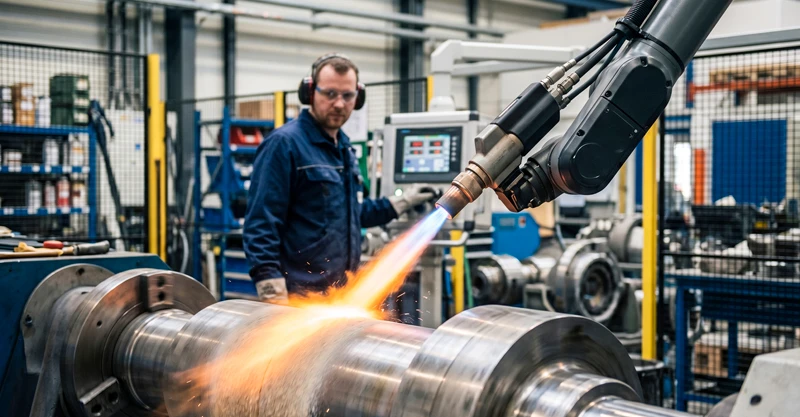
Thermal spray is a coating process where molten or semi-molten materials are sprayed onto a prepared surface to create a protective layer.
The coating improves:
- Wear resistance
- Corrosion resistance
- Heat resistance
- Electrical insulation
- Surface restoration
- Component life
Thermal spray is widely used for restoring damaged parts and protecting new components from harsh industrial environments.
It is commonly applied on:
- Shafts
- Rollers
- Turbine parts
- Boilers
- Pumps
- Valves
- Marine equipment
- Aerospace components
- Steel plant machinery
Why Thermal Spray Selection Matters
Choosing the correct thermal spray process affects:
- Coating adhesion
- Surface hardness
- Corrosion resistance
- Heat resistance
- Operating life
- Downtime reduction
- Maintenance cost
- Production efficiency
Using the wrong spray process can lead to coating failure, cracking, peeling, and repeated repairs.
Types of Thermal Spray
Thermal spray processes are mainly classified based on the heat source and coating method.
The major types include:
- Flame Spray
- Arc Spray
- Plasma Spray
- HVOF Spray
- Cold Spray
- Detonation Spray
Let us understand each type.
1. Flame Spray
Flame spray uses fuel gas and oxygen to melt coating material, which is then sprayed onto the surface.
Common Uses:
- General repair work
- Corrosion protection
- Shaft rebuilding
- Low-cost industrial coating
Advantages:
- Cost-effective
- Easy to operate
- Suitable for onsite repair
- Good for basic wear protection
2. Arc Spray
Arc spray uses electric arc heat between two consumable wires to melt the coating material.
Compressed air then sprays the molten particles onto the surface.
Common Uses:
- Steel structures
- Marine components
- Bridge coatings
- Corrosion-resistant applications
Advantages:
- High deposition rate
- Fast application
- Strong bond strength
- Cost-efficient for large surfaces
3. Plasma Spray
Plasma spray uses a high-temperature plasma arc to melt coating powders and spray them onto the component.
It is ideal for high-performance coatings.
Common Uses:
- Aerospace
- Gas turbines
- Medical implants
- High-temperature equipment
Advantages:
- Very high heat resistance
- Excellent coating quality
- Suitable for ceramics
- Precision coating control
4. HVOF Spray (High Velocity Oxy-Fuel)
HVOF uses high-pressure fuel combustion to create extremely high-velocity coating particles.
This results in dense and strong coatings.
Common Uses:
- Oil & gas equipment
- Hydraulic rods
- Turbine blades
- Industrial rollers
Advantages:
- Superior bond strength
- Dense coating structure
- Excellent wear resistance
- High corrosion protection
5. Cold Spray
Cold spray uses high-velocity solid particles without melting them completely.
This minimizes heat damage to the substrate.
Common Uses:
- Aerospace repair
- Sensitive components
- Electrical parts
- Precision restoration
Advantages:
- Minimal thermal distortion
- Excellent adhesion
- Ideal for heat-sensitive materials
6. Detonation Spray
Detonation spray uses controlled explosions to accelerate coating particles at extremely high speed.
It provides premium coating performance.
Common Uses:
- Critical aerospace parts
- Turbine components
- High-performance engineering applications
Advantages:
- Extremely dense coatings
- Very high bond strength
- Excellent wear and heat resistance
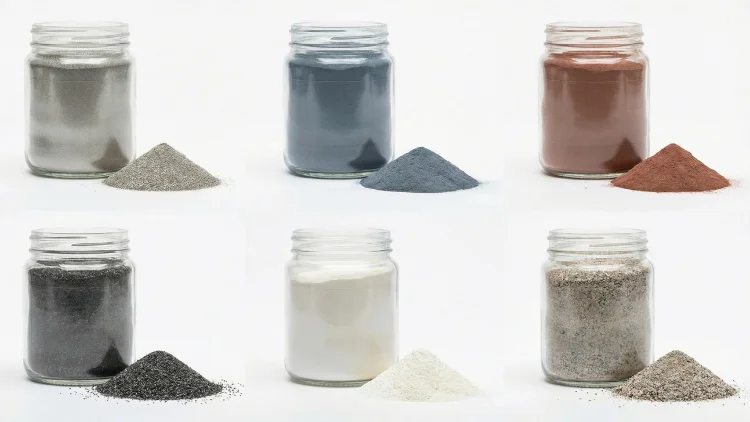
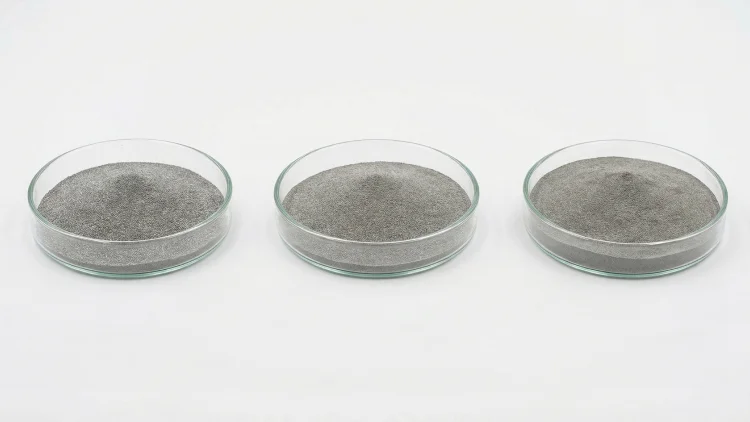
Common Coating Materials Used
Different coating materials are selected based on industrial requirements.
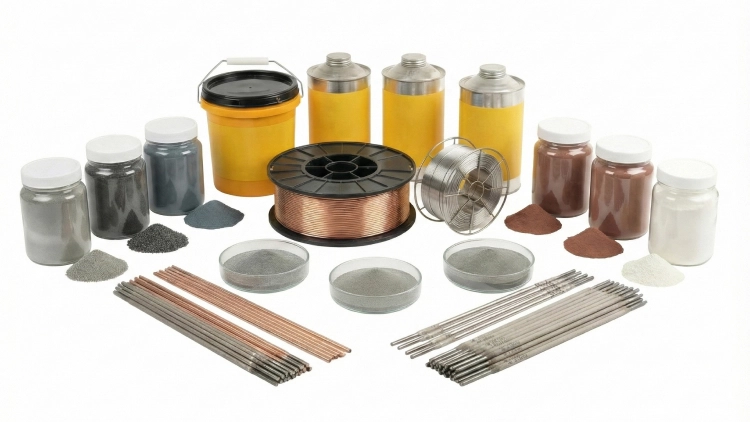
Common thermal spray materials include:
- Tungsten Carbide
- Chromium Carbide
- Nickel-Based Alloys
- Cobalt-Based Alloys
- Ceramic Coatings
- Aluminium Coatings
- Zinc Coatings
- Stainless Steel Powders
- Molybdenum
- Copper-Based Coatings
The right coating material is as important as the right spray process.
Key Factors to Consider Before Selection
1. Operating Environment
High heat, corrosion, abrasion, or chemical exposure determines coating choice.
2. Base Material Compatibility
The coating must bond properly with the substrate material.
3. Surface Finish Requirements
Precision applications may require smoother and denser coatings.
4. Component Criticality
Critical machinery parts need premium processes like HVOF or Plasma Spray.
5. Repair vs New Protection
Different strategies apply for restoration and preventive coating.
6. Cost vs Performance Balance
Low-cost coating may not always provide long-term savings.
7. Industry Standards
Applications like aerospace, pharma, and oil & gas often require certified coating specifications.
Common Mistakes to Avoid
Avoid these common mistakes:
- Selecting coating only based on initial cost
- Ignoring substrate compatibility
- Poor surface preparation
- Choosing incorrect spray material
- Ignoring operating temperature limits
- Using low-performance coating for critical parts
These mistakes can cause major equipment failures and expensive downtime.
Conclusion
Understanding the types of thermal spray helps industries improve equipment life, reduce maintenance costs, and increase operational efficiency.
Whether you need corrosion protection, wear resistance, heat shielding, or surface restoration, choosing the right thermal spray process is critical for long-term industrial performance.
Working with an experienced thermal spray coating supplier ensures quality application, proper material selection, and reliable technical support.