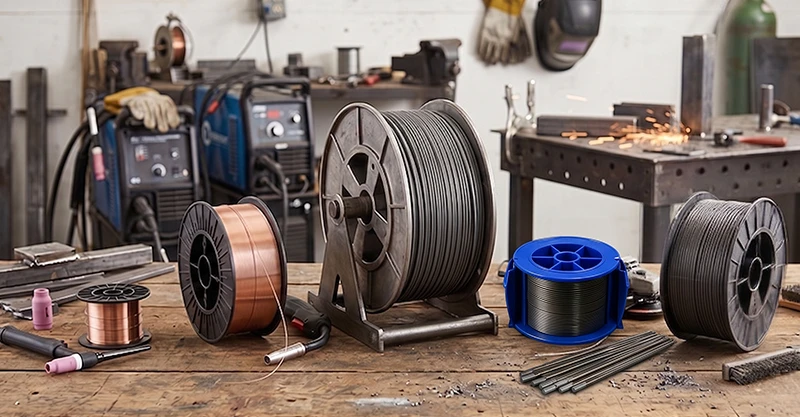
Welding wire plays a critical role in achieving strong, clean, and reliable weld joints across fabrication, construction, oil & gas, shipbuilding, automotive, and heavy engineering industries.
For industrial buyers, plant managers, and procurement teams, selecting the right welding wire is not just about compatibility – it directly affects weld quality, productivity, corrosion resistance, and long-term structural performance.
Different welding applications require different wire types based on material, welding process, shielding gas, and operating conditions.
This guide explains the major types of welding wire, their uses, industrial applications, and how to choose the right welding wire for your project.
What is Welding Wire?
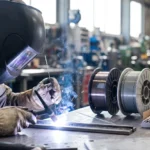
Welding wire is a consumable filler material used in various welding processes to join two metal surfaces together.
It melts during the welding process and becomes part of the final weld joint, ensuring strength, durability, and structural integrity.
Welding wire is commonly used in:
- TIG Welding (GTAW)
- MIG Welding (GMAW)
- SAW Welding (Submerged Arc Welding)
- Flux-Cored Arc Welding (FCAW)
- Hard Facing Applications
At Shivshakti Metal, welding wires are available in TIG, MIG, SAW, and Flux-Cored types, designed for high precision and industrial performance.
Why Welding Wire Selection Matters
Choosing the correct welding wire affects:
- Weld strength
- Arc stability
- Deposition efficiency
- Corrosion resistance
- Heat resistance
- Spatter control
- Productivity
- Weld appearance
- Repair frequency
- Long-term equipment performance
Using the wrong wire can result in cracking, weak fusion, poor finish, increased downtime, and costly repairs.
Types of Welding Wire
Welding wires are mainly classified based on the welding process and industrial application.
The major types include:
- TIG Welding Wire
- MIG Welding Wire
- SAW Welding Wire
- Flux-Cored Welding Wire
- Hard Facing Welding Wire
Let us understand each type.
1. TIG Welding Wire
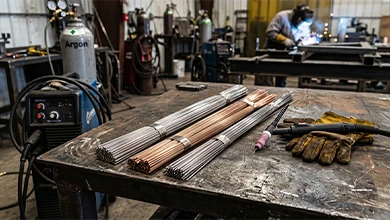
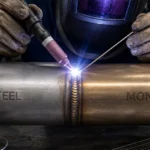
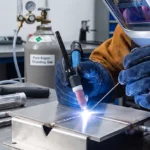
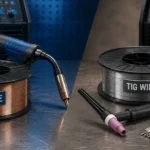
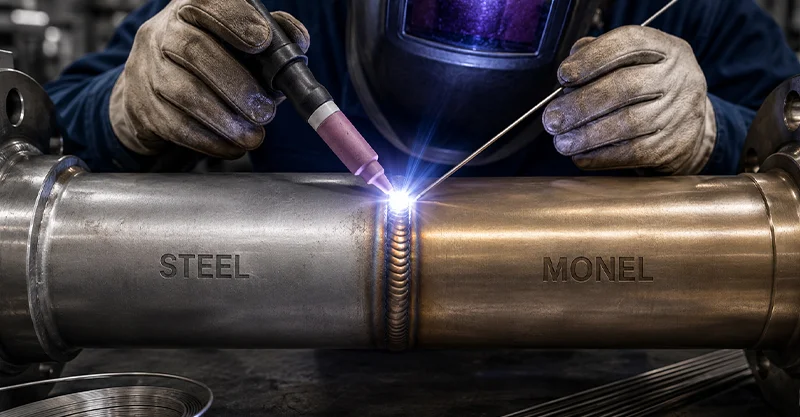
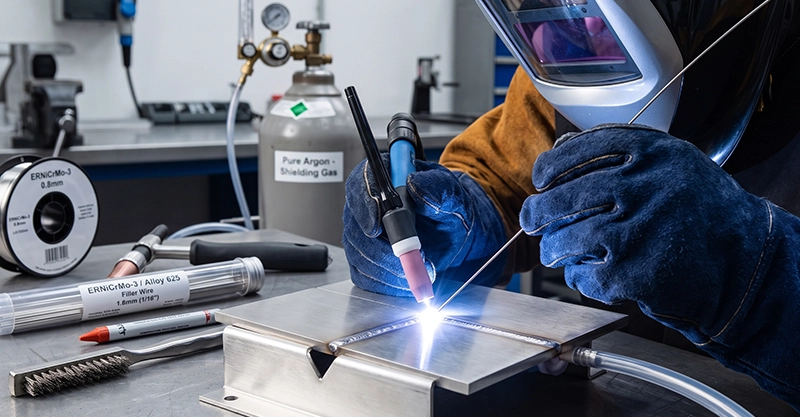
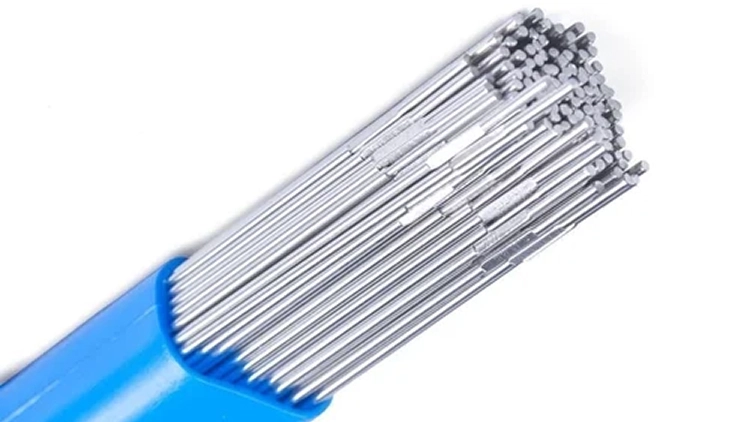
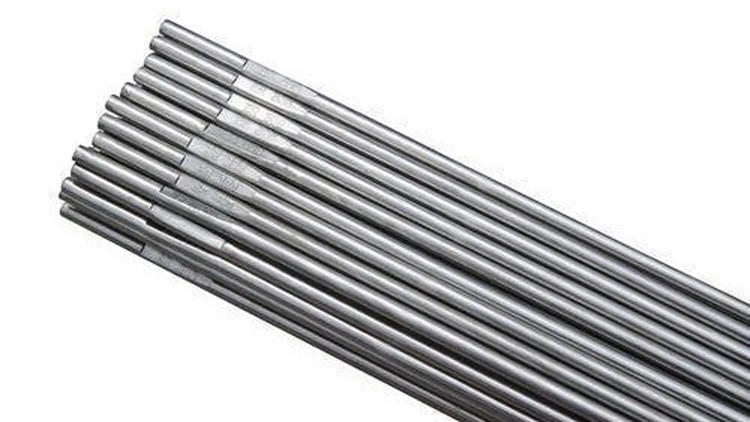
TIG welding wire is used in Tungsten Inert Gas welding where the filler wire is manually fed into the weld pool.
It is ideal for high-precision applications requiring clean and controlled welds.
Common Uses:
- Stainless steel fabrication
- Pharmaceutical equipment
- Food-grade piping
- Aerospace components
- Pressure vessels
Advantages:
- Clean weld finish
- Minimal spatter
- Excellent precision
- High corrosion resistance
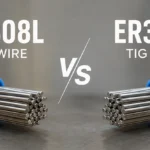
Common TIG wire grades include ER308, ER316, ER347, ER70S-2, Duplex, and Super Duplex grades.
2. MIG Welding Wire
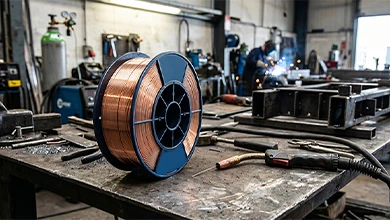
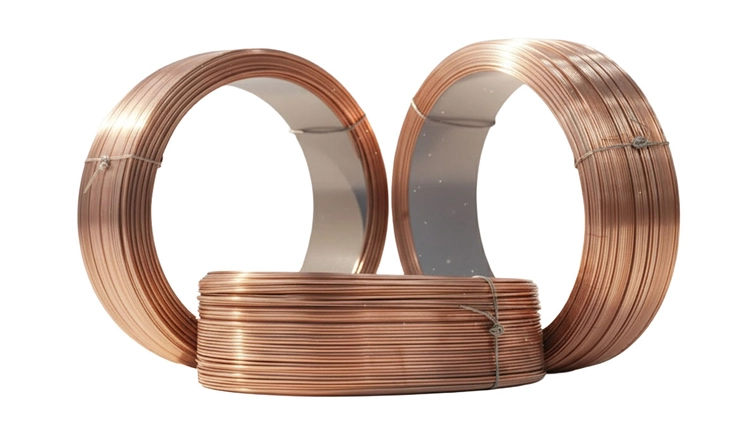
MIG welding wire is a continuously fed consumable electrode used in Gas Metal Arc Welding.
It is widely preferred for high-speed industrial production.
Common Uses:
- Automotive manufacturing
- Sheet metal fabrication
- Structural fabrication
- General engineering
- Production welding
Advantages:
- Fast welding speed
- High productivity
- Smooth feedability
- Suitable for automation
Popular MIG wire types include ER70S-6, ER308L, ER309L, and ER316L.
3. SAW Welding Wire
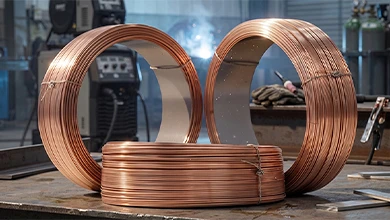
Submerged Arc Welding wire is used for heavy-duty industrial applications where deep penetration and strong welds are required.
Common Uses:
- Pipeline welding
- Pressure vessels
- Shipbuilding
- Heavy structural fabrication
- Wind tower manufacturing
Advantages:
- Deep penetration
- High deposition rate
- Strong mechanical properties
- Excellent for thick materials
4. Flux-Cored Welding Wire
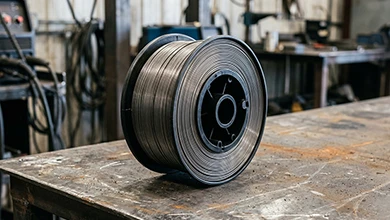
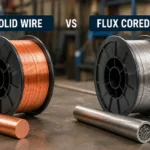
Flux-cored wire contains flux inside a tubular wire and is used for high-strength welding applications.
It performs well in outdoor and heavy-duty conditions.
Common Uses:
- Construction projects
- Shipbuilding
- Heavy fabrication
- Repair welding
- Structural steel work
Advantages:
- High welding speed
- Better outdoor performance
- Strong penetration
- Suitable for thick sections
Flux-cored welding wire is widely used for industrial fabrication and heavy engineering.
5. Hard Facing Welding Wire
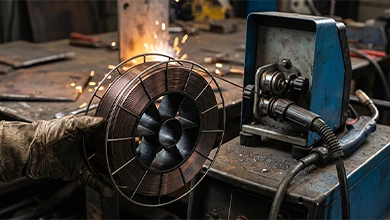
Hard facing wire is used to restore worn surfaces and improve wear resistance on industrial components.
Common Uses:
- Mining equipment
- Cement plants
- Crushers
- Earthmoving machinery
- Heavy maintenance industries
Advantages:
- Improves wear resistance
- Extends equipment life
- Reduces replacement costs
- Ideal for high-abrasion environments
Hard-facing welding wire is used to apply a protective, wear-resistant alloy layer onto metal parts.
Common Welding Wire Grades
Different industries require different grades depending on the base metal and service conditions.
Common categories include:
- Stainless Steel Welding Wire
- Mild Steel Welding Wire
- Aluminium Welding Wire
- Duplex Steel Welding Wire
- Super Duplex Welding Wire
- Nickel Alloy Welding Wire
- Inconel Welding Wire
- Monel Welding Wire
- Copper Nickel Welding Wire
- Titanium Welding Wire
- Cobalt Base Welding Wire
For corrosion-resistant and high-temperature applications, selecting the correct alloy grade is essential.
Key Factors to Consider Before Selection
1. Base Metal Compatibility
The welding wire must match the parent material for strong and reliable joints.
2. Welding Process
TIG, MIG, SAW, and FCAW all require different wire types.
3. Shielding Gas
Gas compatibility is critical for proper arc stability and weld quality.
4. Mechanical Strength Required
Load-bearing structures require higher tensile strength filler wires.
5. Corrosion Resistance
Chemical plants, marine industries, and offshore projects require corrosion-resistant grades.
6. Heat Resistance
Power plants and high-temperature industries need heat-resistant alloy wires.
7. Productivity Requirements
Large production lines may require MIG or SAW wires for faster output.
Common Mistakes to Avoid
Avoid these common mistakes:
- Choosing wire only based on price
- Ignoring parent metal compatibility
- Selecting the wrong shielding gas
- Using incorrect wire diameter
- Ignoring corrosion requirements
- Using low-grade filler wire for critical jobs
- Improper wire storage causing contamination
These mistakes can significantly affect weld strength and long-term performance.
Conclusion
Understanding the types of welding wire helps industries improve weld quality, reduce failures, and increase production efficiency.
Whether you need TIG wire for precision welding, MIG wire for productivity, SAW wire for heavy fabrication, or flux-cored wire for structural projects, selecting the right welding wire is critical for industrial success.
Working with a trusted welding wire manufacturer and supplier ensures consistent quality, certified materials, and dependable technical support.
At Shivshakti Metal, we supply high-quality TIG, MIG, SAW, and Flux-Cored welding wires trusted across India and global industries.