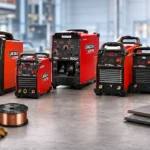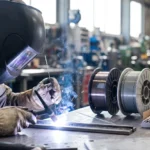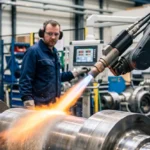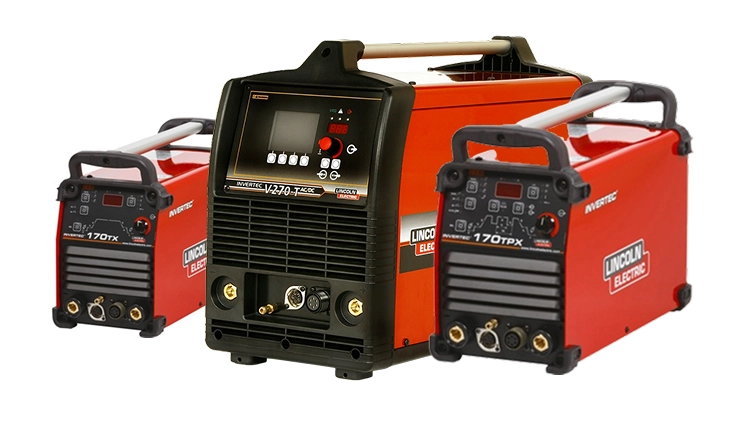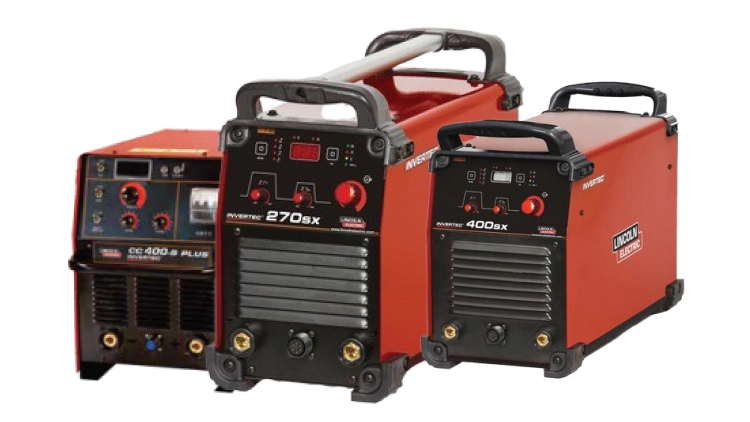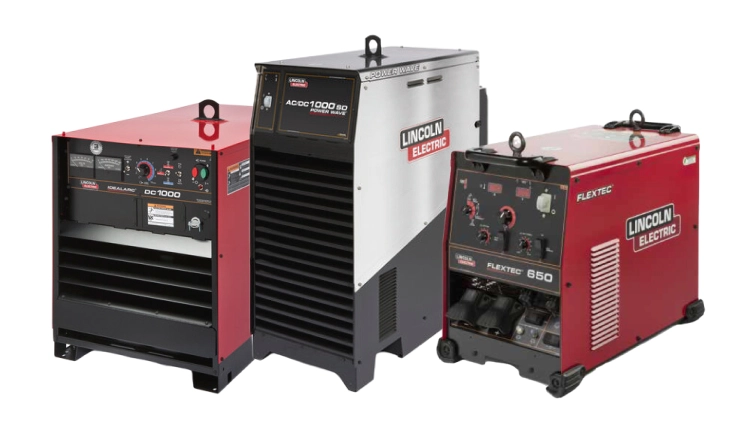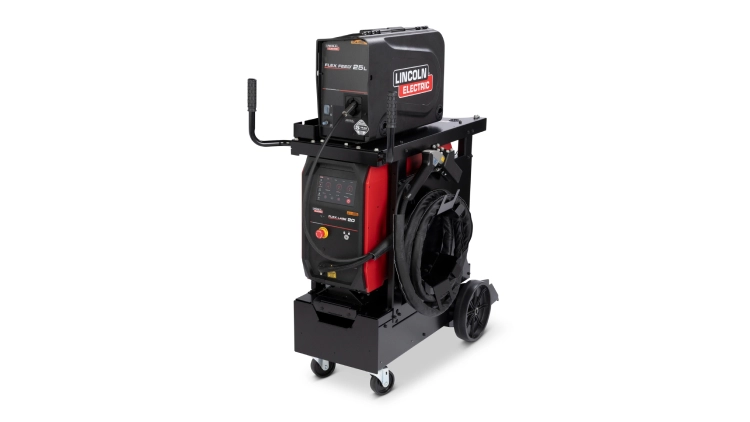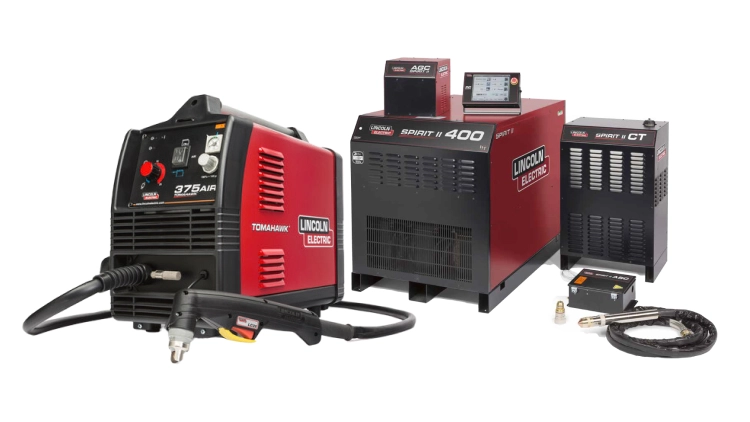
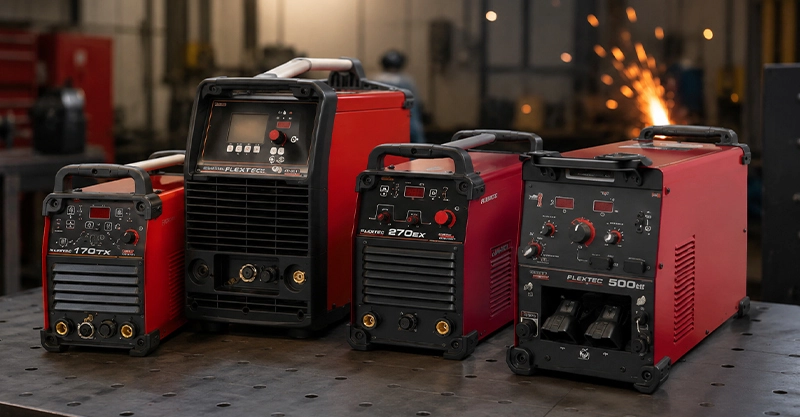
Welding machines are the backbone of fabrication, construction, heavy engineering, automotive manufacturing, oil & gas, shipbuilding, and industrial production.
Choosing the right welding machine directly impacts weld quality, production speed, operational efficiency, and long-term maintenance costs. For industrial buyers, plant managers, and procurement teams, understanding different types of welding machines is essential before investing in equipment.
Different welding jobs require different machines depending on material type, thickness, precision, speed, and production scale.
This guide explains the major types of welding machines, their industrial uses, advantages, and how to select the right machine for your operations.
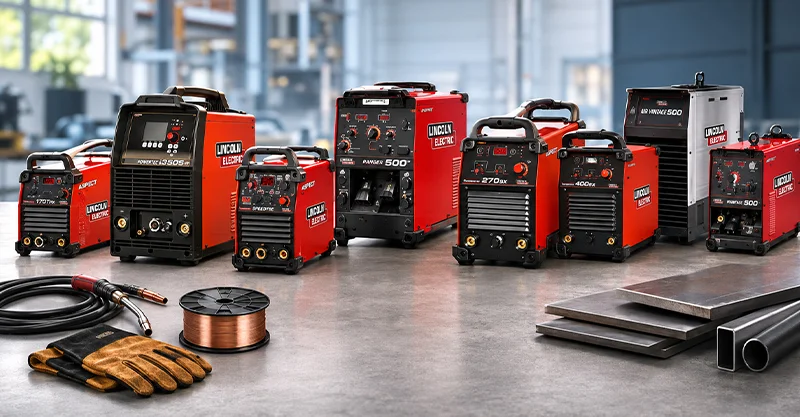
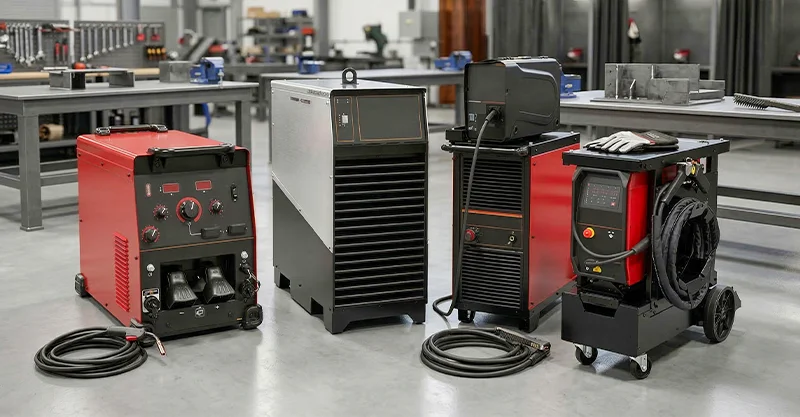
Shivshakti Metal supplies MIG, TIG, SAW, Laser, and Stick (SMAW) welding machines from globally trusted brands like Lincoln Electric and WARPP for fabrication, manufacturing, and heavy engineering industries.
What is a Welding Machine?
A welding machine is equipment used to generate the heat and power required to join two metal parts permanently.
It creates an electric arc, flame, laser beam, or pressure-based heat source that melts the base metal and filler material to form a strong joint.
Welding machines are widely used in:
- Structural fabrication
- Automotive industries
- Oil & gas plants
- Shipbuilding
- Power plants
- Stainless steel fabrication
- Aerospace manufacturing
- Pressure vessel production
- Heavy machinery industries
Welding machines are commonly classified as constant current (CC) or constant voltage (CV). Processes like SMAW and TIG typically use constant current sources, while MIG and flux-cored welding commonly use constant voltage systems.
Why Welding Machine Selection Matters
Choosing the correct welding machine affects:
- Weld strength
- Production speed
- Power efficiency
- Operating cost
- Arc stability
- Heat control
- Surface finish
- Downtime reduction
- Maintenance cost
- Long-term equipment reliability
Using the wrong machine can lead to poor weld quality, higher rejection rates, increased repair costs, and productivity loss.
Types of Welding Machines
Welding machines are mainly classified based on the welding process they perform.
The major types include:
- MIG Welding Machine
- TIG Welding Machine
- SMAW (Stick/ARC) Welding Machine
- SAW (Submerged Arc Welding) Machine
- Laser Welding Machine
- Plasma Welding Machine
Let us understand each type.
1. MIG Welding Machine
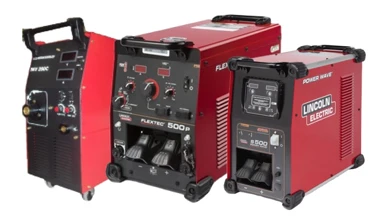
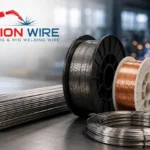
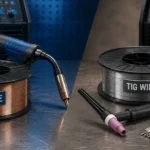
MIG (Metal Inert Gas) welding machines use a continuously fed wire electrode and shielding gas to create clean and fast welds.
They are widely used for production welding and thin-to-medium thickness materials.
Common Uses:
- Automotive manufacturing
- Sheet metal fabrication
- General fabrication
- Production workshops
- Stainless steel fabrication
Advantages:
- High welding speed
- Minimal spatter
- Easy to learn
- Suitable for automation
- High productivity
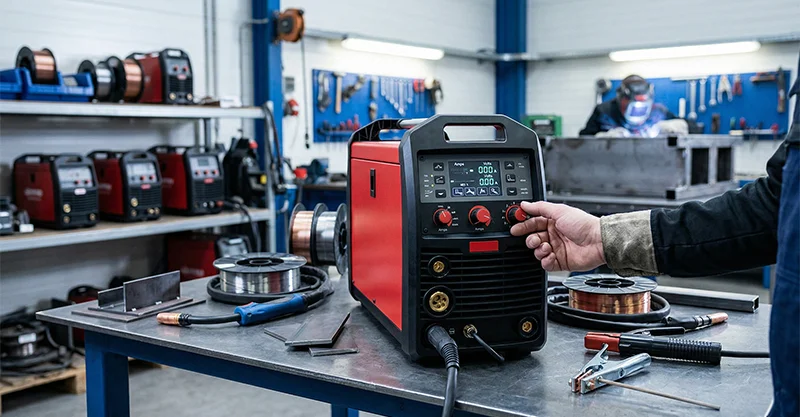
Shivshakti Metal supplies portable, automatic, and multi-process MIG welding machines for industrial operations.
2. TIG Welding Machine
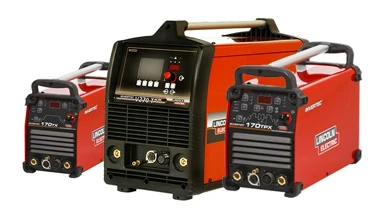
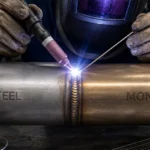
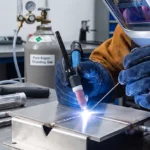
TIG (Tungsten Inert Gas) welding machines use a non-consumable tungsten electrode for high-precision welding.
They are preferred where weld quality and finish are critical.
Common Uses:
- Aerospace
- Pharmaceutical equipment
- Food-grade piping
- Stainless steel fabrication
- Precision engineering
Advantages:
- Superior weld quality
- Clean finish
- Excellent precision
- Strong corrosion resistance
Shivshakti Metal supplies portable, industrial, and high-performance TIG welding machines for professional welding applications.
3. SMAW (Stick/ARC) Welding Machine
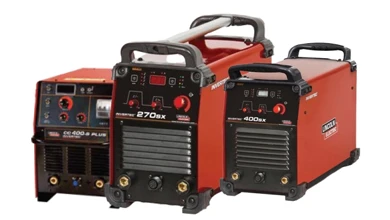
SMAW uses flux-coated stick electrodes and is one of the most widely used welding methods in industrial and outdoor applications.
They are widely used for construction, maintenance, fabrication, and outdoor welding applications due to their versatility and ease of use.
Common Uses:
- Construction sites
- Maintenance work
- Structural steel fabrication
- Heavy fabrication
- Repair jobs
Advantages:
- Cost-effective
- Suitable for outdoor use
- Strong penetration
- Simple operation
Shivshakti Metal supplies durable and high-performance SMAW welding machines designed for reliable industrial and heavy-duty welding operations.
4. SAW (Submerged Arc Welding) Machine
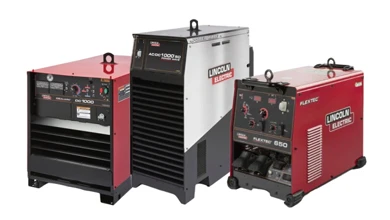
SAW machines use continuously fed wire under a blanket of flux for deep penetration and high deposition.
They are ideal for thick materials and heavy-duty industrial fabrication.
Common Uses:
- Pressure vessels
- Pipeline welding
- Shipbuilding
- Heavy structural fabrication
- Wind tower manufacturing
Advantages:
- Deep penetration
- High deposition rate
- Strong mechanical properties
- Excellent for thick sections
Shivshakti Metal supplies durable and high-performance SAW welding machines designed for efficient and reliable industrial operations.
5. Laser Welding Machine
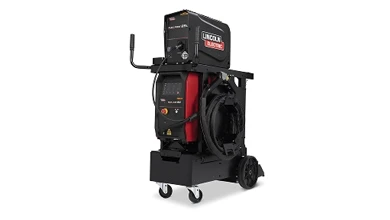
Laser welding machines use a concentrated laser beam for precise and high-speed welding with minimal heat distortion.
They are widely used for stainless steel, jewellery, automotive components, and precision metal fabrication applications.
Common Uses:
- Aerospace
- Automotive
- Electronics
- Medical equipment
- Precision fabrication
Advantages:
- High precision
- Fast welding speed
- Clean welds
- Low distortion
- Energy efficient
Handheld, fibre, and robotic laser welding machines are commonly used for modern industrial production requiring high accuracy.
6. Plasma Welding Machine
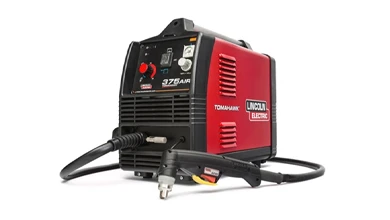
Plasma welding machines use a focused plasma arc for high-temperature precision welding.
They are suitable for advanced industrial applications requiring controlled and strong welds.
Common Uses:
- Aerospace
- Nuclear industries
- High-performance fabrication
- Stainless steel processing
Advantages:
- Excellent precision
- Deep penetration
- Stable arc control
- High-quality weld finish
Shivshakti Metal supplies reliable and high-performance plasma welding machines designed for accurate and efficient industrial welding operations.
Manual vs Automatic Welding Machines
| Feature | Manual Welding Machines | Automatic Welding Machines |
|---|---|---|
| Operator Involvement | High | Low |
| Precision | Moderate | Very High |
| Productivity | Moderate | High |
| Initial Investment | Lower | Higher |
| Best For | Small workshops | Large-scale production |
| Common Example | SMAW | MIG / Laser / SAW |
Key Factors to Consider Before Selection
1. Base Metal Type
Different materials require specific welding processes and machine compatibility.
2. Material Thickness
Thin sheet metal and heavy structural steel need different machine types.
3. Production Volume
High-volume production often requires automatic MIG, SAW, or Laser systems.
4. Precision Requirement
TIG and Laser welding are preferred for precision-critical applications.
5. Power Availability
Machine selection depends on available single-phase or three-phase power supply.
6. Operating Environment
Outdoor welding may require SMAW machines, while clean indoor facilities may prefer TIG or Laser systems.
7. Budget vs Long-Term ROI
Lower-cost machines may not always deliver the best operational efficiency.
Common Mistakes to Avoid
Avoid these common mistakes:
- Choosing only based on machine price
- Ignoring production requirements
- Selecting incorrect machine capacity
- Not considering operator skill level
- Ignoring maintenance support
- Choosing low-grade machines for critical work
- Not planning for future production expansion
These mistakes can increase downtime and reduce long-term profitability.
Conclusion
Understanding the types of welding machines helps industries improve weld quality, reduce production losses, and increase operational efficiency.
Whether you need MIG for productivity, TIG for precision, SMAW for field work, SAW for heavy fabrication, or Laser welding for advanced manufacturing, selecting the right machine is critical for industrial success.
Working with a trusted welding machine distributor ensures reliable equipment, technical support, and long-term performance.