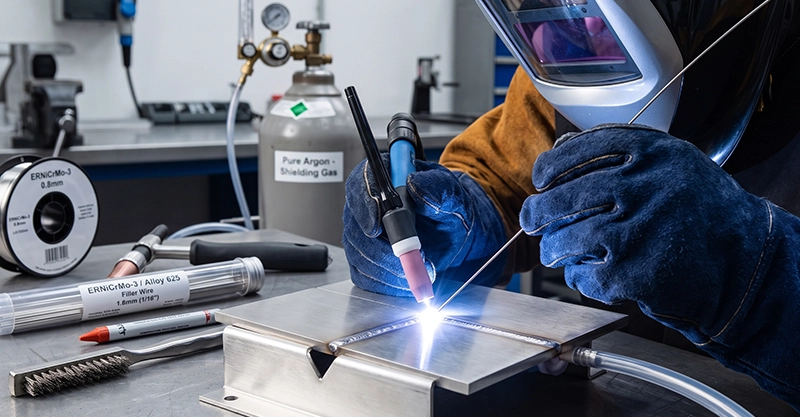
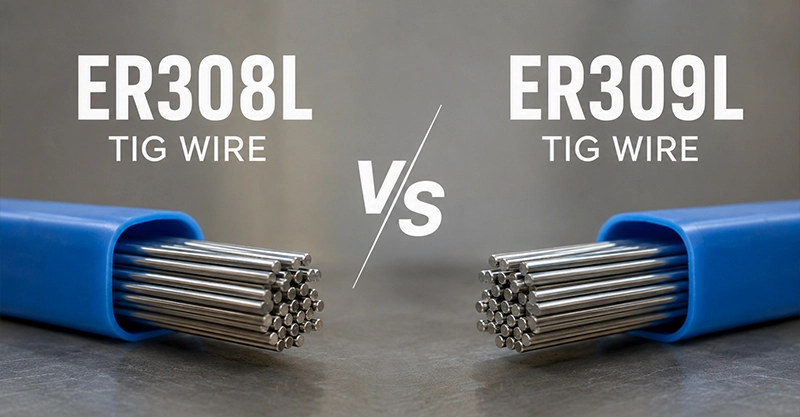
In stainless steel fabrication, selecting the right TIG filler wire is one of the most important decisions for weld strength, corrosion resistance, and long-term performance.
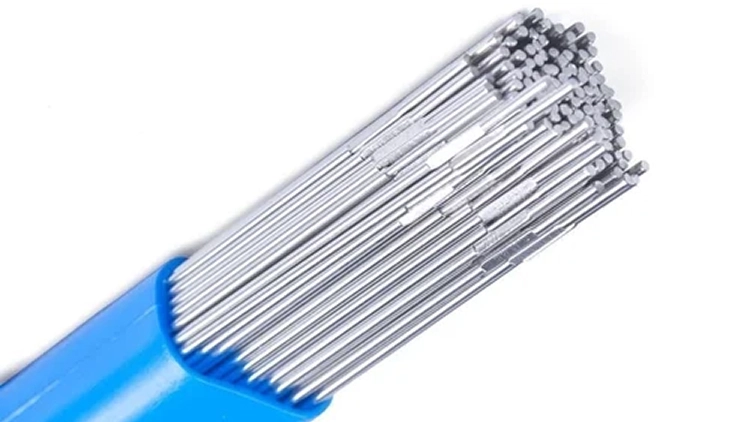
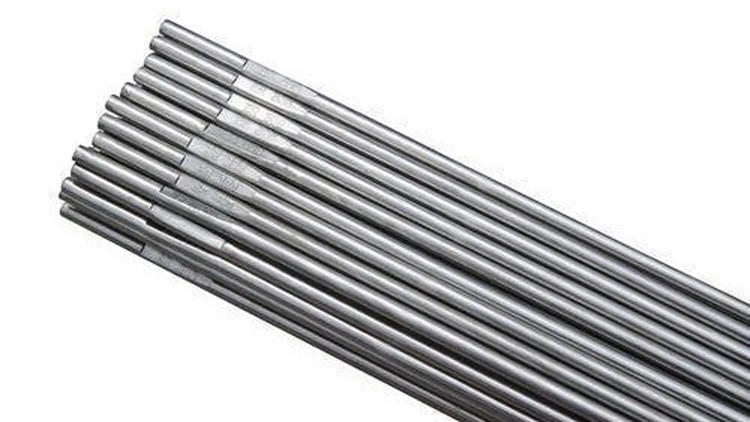
Among the most widely used stainless steel TIG wires are ER308L TIG Wire and ER309L TIG Wire. Both are trusted across fabrication industries, pressure vessels, food processing units, pharmaceutical plants, petrochemical projects, and structural stainless steel applications.
While both are high-performance stainless steel filler wires, they are designed for different welding purposes. Understanding when to use ER308L and when to use ER309L helps reduce weld failures, improve productivity, and ensure better service life.
For fabricators, welding engineers, plant managers, and industrial buyers, this guide explains ER308L vs ER309L TIG wire, their differences, applications, and how to choose the right one.
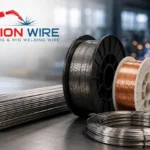
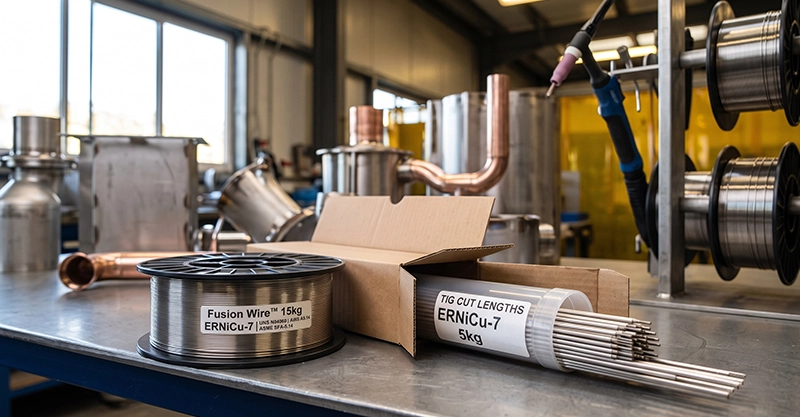
Fusion Wire by Shivshakti Metal offers premium stainless steel TIG/MIG welding wires including ER308L and ER309L for precision industrial welding applications. The catalogue highlights both grades under Fusion Stainless Steel TIG/MIG Welding Wire solutions .
What is ER308L TIG Wire?
ER308L TIG wire is a stainless steel filler wire mainly used for welding 304 and 304L stainless steel.
It is one of the most commonly used TIG wires for corrosion-resistant stainless steel fabrication where clean finish and reliable strength are required.
The “L” in ER308L stands for low carbon, which helps reduce carbide precipitation during welding and improves resistance to intergranular corrosion.
According to the Fusion Wire catalogue, ER308L is widely used for pressure vessels, chemical equipment, and food processing industries where corrosion resistance is critical .
Common Uses:
- Food processing equipment
- Pharmaceutical equipment
- Kitchen and dairy industries
- Pressure vessels
- Chemical processing units
- Stainless steel tanks and piping
Advantages:
- Excellent corrosion resistance
- Smooth TIG welding performance
- Clean weld appearance
- Better resistance to carbide precipitation
- Ideal for 304/304L stainless steel
What is ER309L TIG Wire?
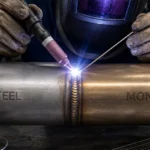
ER309L TIG wire is a stainless steel filler wire mainly used for welding dissimilar metals such as stainless steel to mild steel or carbon steel.
It is also widely used for joining 309 stainless steel and for buffer layers before hardfacing applications.
The higher chromium and nickel content gives ER309L better crack resistance and stronger bonding when joining different base metals.
Fusion Wire’s catalogue lists ER309L as commonly used for joining stainless steel to carbon and low alloy steels, with molybdenum variants also available for enhanced corrosion resistance.
Common Uses:
- Stainless steel to carbon steel welding
- Dissimilar metal joints
- Heavy fabrication
- Petrochemical plants
- Power plants
- Repair welding
- Overlay and cladding applications
Advantages:
- Excellent for dissimilar welding
- Higher crack resistance
- Strong weld integrity
- Better thermal expansion compatibility
- Reliable for industrial repair work
ER308L vs ER309L – Key Differences
| Feature | ER308L TIG Wire | ER309L TIG Wire |
|---|---|---|
| Primary Use | Welding 304/304L stainless steel | Welding dissimilar metals |
| Best For | Similar stainless steel joints | Stainless steel to mild steel |
| Carbon Content | Low carbon | Low carbon |
| Chromium Content | Standard SS composition | Higher chromium content |
| Crack Resistance | Very good | Higher for dissimilar joints |
| Corrosion Resistance | Excellent | Excellent |
| Common Industry Use | Food, pharma, chemical | Petrochemical, fabrication, heavy industry |
| Weld Appearance | Smooth and clean | Strong and reliable |
| Overlay Application | Limited | Commonly used |
| Repair Welding | Moderate | Highly preferred |
Both are excellent TIG wires—the right choice depends on the base metal and application.
Advantages of ER308L TIG Wire
1. Ideal for 304 Stainless Steel
ER308L is the standard choice for welding 304 and 304L stainless steel.
2. Better Corrosion Resistance
Its low carbon design improves corrosion protection after welding.
3. Cleaner Weld Finish
It produces smooth and visually superior TIG welds.
4. Suitable for Hygienic Industries
Perfect for food, pharma, and dairy applications where weld quality matters.
5. Reliable for Thin and Precision Work
Preferred for precision fabrication and controlled welding environments.
Advantages of ER309L TIG Wire
1. Best for Dissimilar Metal Welding
Highly effective when joining stainless steel with carbon steel.
2. Stronger Crack Resistance
Its composition helps reduce cracking in complex industrial joints.
3. Excellent for Repair Work
Used for overlays, maintenance welding, and industrial restoration.
4. Better High-Temperature Performance
Suitable for demanding industrial environments.
5. Strong Bond Strength
Delivers reliable welds in heavy fabrication and critical projects.
Which One Should You Choose?
Choose ER308L TIG Wire if:
- You are welding 304 or 304L stainless steel
- Corrosion resistance is the priority
- Food-grade or pharma-grade fabrication is required
- Clean weld appearance is important
- Precision TIG welding is needed
Choose ER309L TIG Wire if:
- You are joining stainless steel to carbon steel
- Dissimilar metal welding is required
- Repair welding or overlay work is involved
- Heavy fabrication is the priority
- Strong crack resistance is required
The right filler wire should always match the base material and service conditions.
Common Mistakes to Avoid
Avoid these common mistakes:
- Using ER308L for dissimilar metal welding
- Using ER309L where 304 stainless steel-only welding is sufficient
- Choosing filler wire only based on price
- Ignoring corrosion requirements
- Selecting incorrect shielding gas
- Not matching filler wire to base metal
- Ignoring operating temperature conditions
These mistakes can reduce weld quality and increase rework costs.
Conclusion
Understanding ER308L TIG wire vs ER309L TIG wire helps industries improve weld quality, reduce failures, and increase long-term performance.
ER308L is ideal for welding 304 stainless steel where corrosion resistance and clean finish matter most, while ER309L is preferred for dissimilar welding and heavy industrial fabrication requiring stronger bonding.
Both play an important role in stainless steel welding, and selecting the right one ensures stronger welds, better productivity, and reduced maintenance.
Fusion Wire by Shivshakti Metal is trusted for premium TIG and MIG welding wires, offering ER308L, ER309L, and a wide range of stainless steel filler wires for industrial fabrication, petrochemical, pharmaceutical, and engineering applications. Their catalogue includes ER308, ER308L, ER309L, ER309LMo, ER316, and many more specialized grades for demanding welding requirements.