Choosing the right welding wire is critical for achieving strong welds, better productivity, and long-term structural reliability. Among the most commonly used filler materials in industrial fabrication are MIG wire and TIG wire.
Both are widely used across stainless steel fabrication, automotive manufacturing, pressure vessels, aerospace, oil & gas, and heavy engineering industries—but they serve very different purposes.
For plant managers, welding engineers, procurement teams, and fabricators, understanding the difference between MIG wire and TIG wire helps improve weld quality, reduce rejection rates, and optimize production efficiency.
This guide explains MIG wire vs TIG wire, their key differences, applications, advantages, and how to choose the right one for your welding process.
What is MIG Wire?
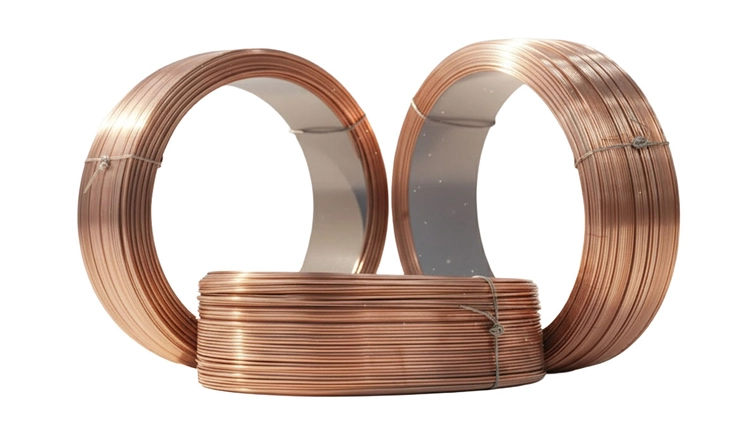
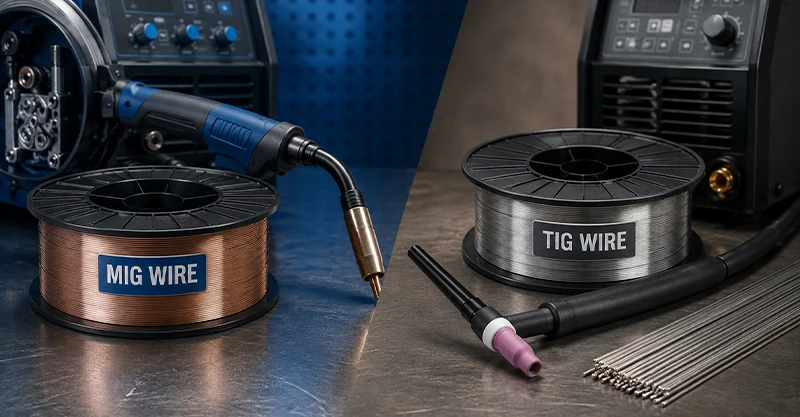
MIG wire is a continuously fed consumable welding wire used in MIG welding (Gas Metal Arc Welding – GMAW).
It passes automatically through the welding gun and melts to form the weld joint while shielding gas protects the weld area from contamination.
MIG wire is commonly used for:
- High-speed production welding
- Sheet metal fabrication
- Automotive industries
- Structural fabrication
- Stainless steel manufacturing
- Industrial production lines
Popular MIG wire grades include:
- ER70S-6
- ER308L
- ER309L
- ER316L
- Duplex and Super Duplex grades
MIG wire is preferred where productivity and speed are important.
What is TIG Wire?
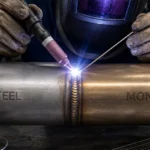
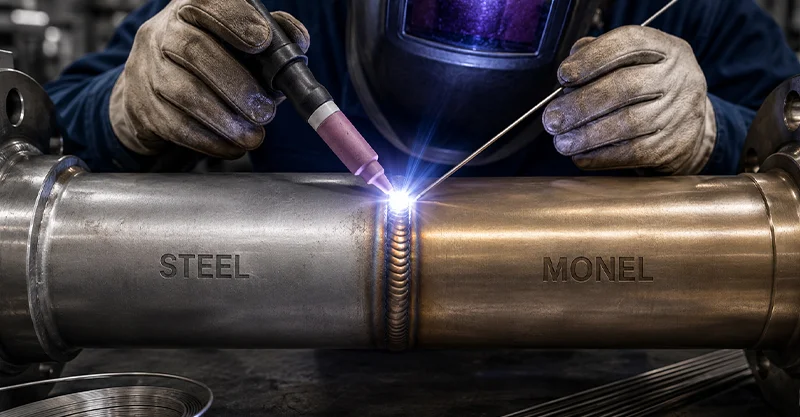
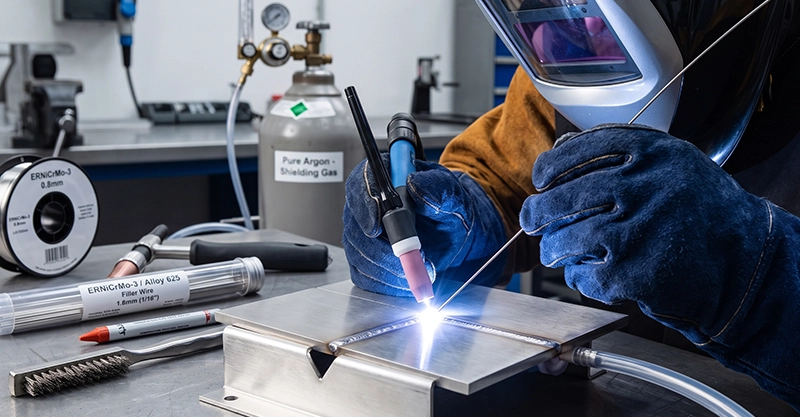
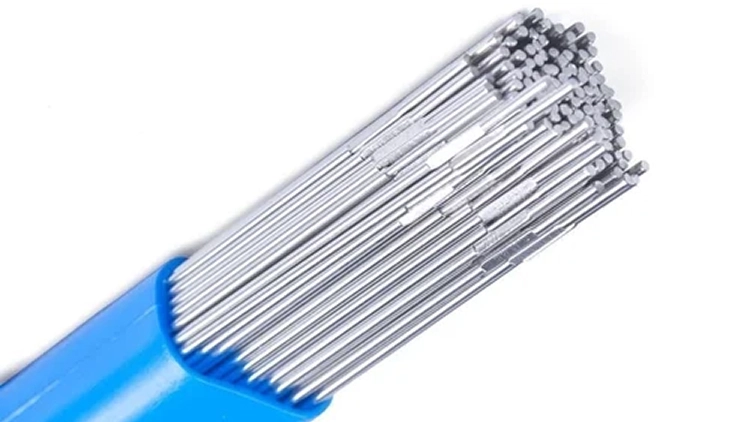
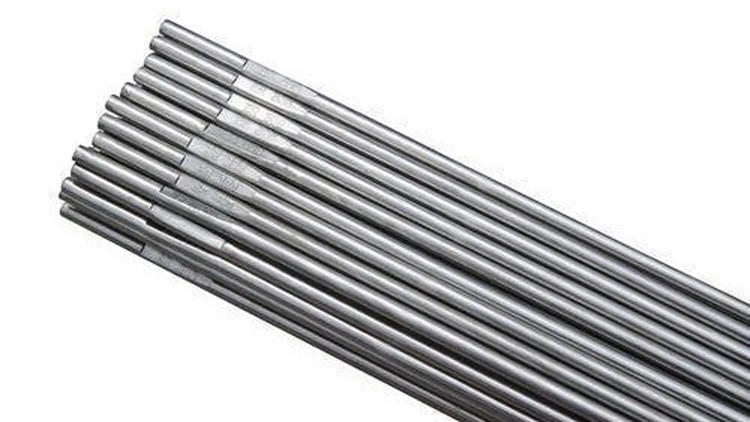
TIG wire is a manually fed filler wire used in TIG welding (Gas Tungsten Arc Welding – GTAW).
Unlike MIG, TIG uses a non-consumable tungsten electrode to create the arc, while the filler wire is added separately when required.
TIG wire is commonly used for:
- Precision fabrication
- Aerospace industries
- Pharmaceutical equipment
- Food-grade piping
- Pressure vessels
- Stainless steel and exotic alloy welding
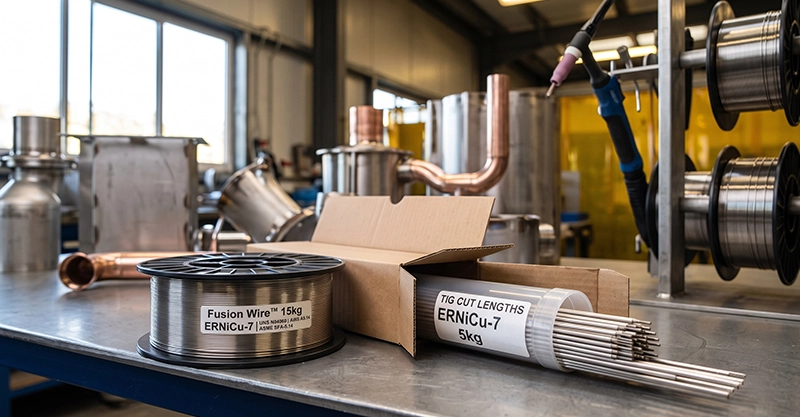
Popular TIG wire grades include:
- ER308
- ER316
- ER347
- ER70S-2
- Inconel fillers
- Monel fillers
- Titanium and Duplex grades
TIG wire is preferred where weld appearance and precision are critical.
MIG Wire vs TIG Wire – Key Differences
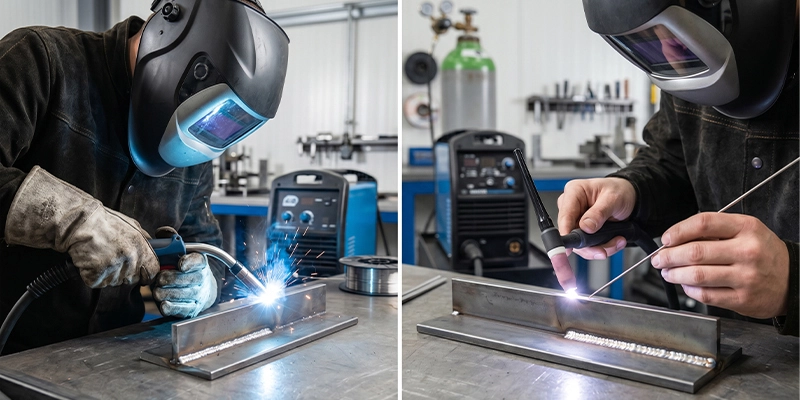
| Feature | MIG Wire | TIG Wire |
|---|---|---|
| Welding Process | MIG (GMAW) | TIG (GTAW) |
| Wire Feeding | Automatic continuous feed | Manual filler feeding |
| Electrode Type | Consumable wire | Separate filler with tungsten electrode |
| Welding Speed | High | Slower |
| Precision | Moderate | Very High |
| Weld Appearance | Good | Excellent |
| Spatter Level | Moderate | Very Low |
| Operator Skill Required | Moderate | High |
| Best For | Production welding | Precision welding |
| Automation Suitability | Excellent | Limited |
This comparison helps industrial users select the right wire based on application and production goals.
Advantages of MIG Wire
1. Faster Welding Speed
MIG welding supports continuous wire feeding, making it ideal for high-volume production.
2. Higher Productivity
Less downtime and faster deposition rates improve output efficiency.
3. Suitable for Automation
MIG welding is commonly integrated into robotic and automatic production systems.
4. Easier to Learn
Compared to TIG welding, MIG is easier for operators to master.
5. Better for Thick Production Work
It performs well for medium to heavy industrial fabrication.
Advantages of TIG Wire
1. Superior Weld Quality
TIG produces cleaner, stronger, and visually better welds.
2. Excellent Precision
Perfect for thin materials and critical applications.
3. Minimal Spatter
TIG welding offers cleaner operation with less post-weld cleaning.
4. Ideal for Stainless Steel & Exotic Alloys
Widely used for corrosion-resistant and high-specification materials.
5. Better Control
Operators get precise control over heat input and filler addition.
Which One Should You Choose?
Choose MIG Wire if:
- Production speed is the priority
- Large fabrication work is involved
- Automation is required
- Cost-efficiency is important
- General industrial welding is needed
Choose TIG Wire if:
- Precision is critical
- Weld appearance matters
- Thin materials are being welded
- Stainless steel or exotic alloys are used
- High-specification applications are involved
The right choice depends on your welding objective, not just the material.
Common Mistakes to Avoid
Avoid these common mistakes:
- Choosing wire only based on cost
- Ignoring base metal compatibility
- Using MIG where TIG precision is needed
- Using TIG where high-speed production is required
- Selecting the wrong shielding gas
- Ignoring corrosion resistance requirements
- Choosing an incorrect wire diameter
These mistakes can reduce weld quality and increase production losses.
Conclusion
Understanding MIG wire vs TIG wire helps industries improve welding efficiency, product quality, and long-term reliability.
MIG wire is ideal for speed, automation, and productivity, while TIG wire is preferred for precision, cleaner welds, and critical applications.
Choosing the right welding wire ensures better weld performance, lower repair costs, and stronger final results.
Working with a trusted welding wire manufacturer and supplier helps industries maintain consistent quality and reliable technical support.